Browse

Latest Headlines

Fresh headlines, crisp visuals — faster reading.

The Rodeo Tragedy That Halted Ace Patton Ashford’s Promising Career New

The Rodeo Tragedy That Halted Ace Patton Ashford’s Promising Career

He had spent his entire life building toward one defining moment. For eighteen-year-old Ace Patton Ashford, the rodeo arena wasn’t just a place to compete—it was where he shaped his identity, tested his limits, and chased a future he had imagined for years. Every practice, every early morning ride, every bruise and setback was part of a single goal: stepping into the professional rodeo world and proving he belonged among its best.That dream, however, ended in a moment no one could have prepared for.A Routine Practice Turns TragicWhat began as an ordinary training session quickly spiraled into catastrophe. In the middle of a run, a sudden, unpredictable movement startled his horse. The animal bolted in panic, and in the chaos that followed, Ace became entangled in the equipment and was pulled into a dangerous drag across the arena floor.Despite trainers and teammates being nearby, everything unfolded too quickly for anyone to intervene. Within seconds, the atmosphere shifted from routine practice to emergency response, and the promising young athlete’s life was tragically cut short.A Community in ShockIn the days that followed, silence settled heavily over the local rodeo community. Ace was not just another competitor—he was the kind of rider people quietly rooted for. Known for his discipline, focus, and natural talent, he had built a reputation as someone destined for success.Friends and mentors recall a young man who carried himself with humility and determination. He was deeply committed to his craft, often spending long hours perfecting his technique and speaking openly about his dream of turning professional.Remembering the Person Behind the TalentBeyond his skill in the arena, those who knew Ace speak most about his character. He was respectful, grounded, and quick to encourage others. Even during intense training periods, he remained someone who lifted the energy of those around him.In tribute, teammates left his lariat hanging on the fence where he last placed it—a quiet symbol of a life and journey interrupted too soon.The Reality of a High-Risk SportThis tragedy also highlights the undeniable risks that come with rodeo competition. The sport exists at the intersection of skill, courage, and the unpredictable power of animals. Even the most experienced riders operate in conditions where timing, instinct, and chance all play a role.Ace understood those risks, as do all who step into the arena—but his passion for the sport outweighed his fear. That dedication is part of what makes his story so deeply felt.A Legacy That RemainsWhile his time was far too short, Ace Patton Ashford’s impact continues through the people he inspired. His journey has become a reminder of both the beauty and fragility of chasing big dreams in demanding arenas.The arena may feel quieter now, but his presence is still felt in the memories, stories, and respect shared by those who knew him best.Closing ThoughtStories like Ace’s remind us how quickly life can change—and how deeply one person can be missed.If this story moved you, share your thoughts in the comments and join the conversation. Your reflection helps keep his memory and legacy alive.

Sep 16, 2026
Elon Musk's Bold Prediction: AI Infrastructure Will Outpace Earth's Power Soon New

Elon Musk's Bold Prediction: AI Infrastructure Will Outpace Earth's Power Soon

Artificial intelligence is hurtling toward a massive resource wall.Humanity may have only months left to avert a catastrophic bottleneck in global energy infrastructure.Unpacking the Timeline: How Events Unfolded for Elon MuskSpeaking candidly on the Feb. 5 episode of the Cheeky Pint podcast with host Dwarkesh Patel, Elon Musk issued a stark warning that Earth is rapidly approaching absolute limits in generating electricity for artificial intelligence.While public discourse focuses heavily on advanced software algorithms and complex neural networks, Musk emphasized that the true bottleneck is pure electrical power. News22 Visual Archive • In-Depth CoverageFrom Our NewsroomTo illustrate the looming deficit, Musk pointed directly to the current baseline energy consumption of the United States.“All of the United States currently uses only about half a terawatt of power on average,” Musk told Patel during the podcast.“Imagine trying to build enough power plants to double that. People don’t realise how hard that actually is.”Traditional power grids remain wholly unprepared for the sudden surge of energy-hungry data centers and liquid cooling systems required for next-generation frontier models.The solution, the SpaceX and Tesla founder argued, lies entirely off-planet.Musk predicted that space will soon emerge as the most cost-effective location to deploy massive artificial intelligence infrastructure.“My prediction is that by far the cheapest place to put AI will be space in 36 months or less, maybe 30 months,” he stated.“Less than 36 months, mark my words.”Looking Forward: What to Expect as New Details Continue to EmergeSolar arrays placed permanently in orbit receive uninterrupted, direct sunlight, generating roughly five times as much power as Earth-bound counterparts without needing heavy battery storage.This visionary outlook aligns directly with concrete regulatory maneuvers already underway within Musk’s corporate empire.According to reports by Scientific American, SpaceX filed formal plans with U.S. regulators on January 30, 2026, outlining a proposal to deploy up to one million satellites to establish massive, solar-powered data centers in low Earth orbit.A constellation comprising one million satellites would dwarf humanity’s entire historical footprint in space, creating an orbital computational grid unlike anything ever conceived.“You start thinking in terms of what percentage of the sun’s power you’re harnessing,” Musk said when contemplating the thermodynamic realities of advanced civilization.“Then you realize you have to go to space. You can’t scale very much on Earth.”

Sep 16, 2026
Victorian Family Photo Sparks Frenzy Over Mysterious Hand Detail New

Victorian Family Photo Sparks Frenzy Over Mysterious Hand Detail

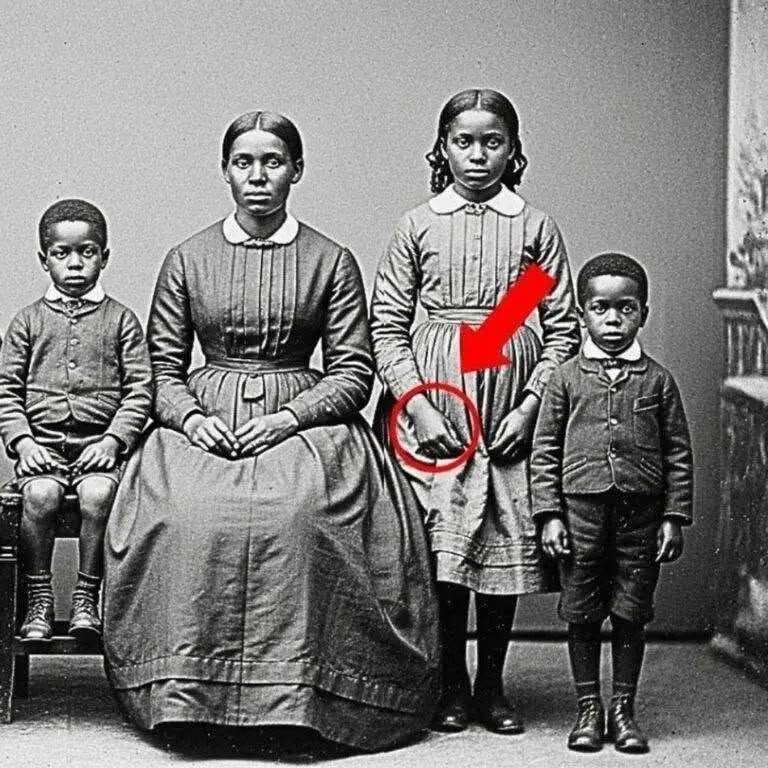
A forgotten Victorian photo reveals a detail that sparks new intrigue.At first glance, it looks like nothing more than a traditional family portrait from the late 19th century. The black-and-white photograph shows a mother seated in the center, surrounded by three children. Everyone appears serious, motionless, and perfectly posed, just as families often did during the Victorian era.Yet more than 150 years after the picture was taken, one tiny detail continues to capture the attention of viewers around the world.The photograph, reportedly dating back to 1872, resurfaced online and quickly became the focus of intense discussion. Thousands of people zoomed in on a particular section of the image after noticing something unusual near the hand of the older daughter standing beside her mother.At first, many observers believed they had discovered evidence of a mysterious figure hidden within the photograph. Others suggested the image might reveal an early example of photographic manipulation, while some even proposed paranormal explanations.The closer people looked, the more questions seemed to emerge.Victorian photography was very different from the digital photography we know today. Cameras required long exposure times, and subjects often had to remain completely still for several seconds. Because of these technical limitations, photographers frequently used supports, hidden stands, and creative positioning techniques to keep their subjects from moving.As a result, strange visual effects occasionally appeared in photographs from the era.When modern viewers examine old photographs through a contemporary lens, they often notice details that seem unusual or unsettling. Blurred faces, oddly positioned limbs, and partially visible objects can create optical illusions that appear mysterious at first glance.Experts who have studied historical photography point out that many so-called “ghost photographs” from the Victorian era can be explained by double exposures, movement during long exposures, or simple photographic artifacts.In the case of this particular family portrait, attention focuses on what appears to be an extra hand or an oddly positioned set of fingers near the girl’s dress. Depending on how the image is viewed, the shape can seem almost detached from the surrounding figures.This ambiguity has fueled countless theories online.Some viewers argue that the hand belongs to the seated mother and merely appears distorted because of the angle and lighting. Others believe it may be part of the daughter’s own hand, partially hidden by folds in the fabric. A few enthusiasts insist there is still no completely satisfactory explanation.What makes the image especially fascinating is not necessarily the mystery itself, but the way human perception works. Our brains constantly search for patterns and familiar shapes. When an image contains incomplete visual information, the mind naturally attempts to fill in the gaps.This psychological tendency often turns ordinary details into extraordinary puzzles.More than a century after the photograph was taken, it continues to demonstrate the enduring power of old images. A single unexplained detail can transform a forgotten family portrait into a global conversation.Whether the mysterious hand is simply an illusion created by Victorian photography techniques or something more unusual, the photograph remains a remarkable example of how historical images can capture the imagination of future generations.In the end, the greatest mystery may not be the hand itself. It may be the fact that a family who posed for an ordinary portrait in 1872 could never have imagined that people around the world would still be studying their photograph more than 150 years later, searching for answers hidden in a single frozen moment of time.

Sep 16, 2026
Why Massaging Your Feet Before Bed Is Getting So Much Attention New

Why Massaging Your Feet Before Bed Is Getting So Much Attention

After a long day of standing, walking, working, or simply carrying the weight of your body from morning until night, your feet can feel surprisingly tired.Yet they are often one of the last parts of the body people think about before going to sleep.A simple foot massage may offer a pleasant way to slow down at the end of the day. It can help you relax, temporarily ease muscle tension, and create a calming bedtime routine. For some people, that relaxation may make it easier to settle into sleep.But there is an important distinction between feeling relaxed after a massage and claiming that foot massage can treat insomnia or other sleep disorders. Research on massage and sleep has found potentially helpful effects in some groups, but the evidence varies, and a foot massage should be viewed as a complementary relaxation technique rather than a guaranteed treatment.So what might actually happen if you spend just a few minutes massaging your feet before bed?1. It May Help Your Body RelaxOne of the simplest benefits of a foot massage is relaxation.Gentle pressure and slow movements can provide sensory input that feels soothing after a busy day. The experience may help shift your attention away from work, screens, worries, and other sources of mental stimulation.That matters because preparing for sleep isn’t only about being physically tired.Your mind also needs an opportunity to slow down.A quiet five- or ten-minute massage can become a signal that the active part of the day is ending.Instead of immediately going from a phone screen or stressful task to trying to fall asleep, you create a short transition period.That can be valuable even if the massage itself doesn’t directly change your sleep physiology.2. It May Ease Foot and Lower-Leg TensionYour feet absorb considerable mechanical stress throughout the day.Every step places pressure on the structures responsible for supporting your body.If you spend many hours standing or walking, you may notice: Aching soles Tight calves Tired arches Mild stiffness General foot discomfort A gentle massage may temporarily reduce the sensation of tension and make your feet feel more comfortable.This can be particularly appealing after a day spent wearing uncomfortable shoes or being on your feet for extended periods.However, massage should not be used to ignore persistent or severe pain.Pain that repeatedly returns, becomes worse, causes swelling, or interferes with walking may require an evaluation to determine the underlying cause.3. It Can Become a Useful Bedtime RitualOne of the most overlooked advantages of foot massage may be the routine itself.Sleep tends to benefit from consistency.Going to bed at roughly the same time, reducing stimulating activities before bed, and creating a predictable wind-down routine can help establish healthy sleep habits.A foot massage can become part of that routine.For example:10:00 p.m. — Dim the lights 10:05 p.m. — Put away your phone 10:10 p.m. — Massage your feet 10:20 p.m. — Read or practice another relaxing activity 10:30 p.m. — Lights outOver time, repeating the same sequence may help your brain associate those activities with bedtime.The massage doesn’t have to be complicated.Consistency may be more useful than intensity.4. It May Help You Pay Attention to Your BodyModern life can make it surprisingly easy to ignore physical discomfort.You sit at a desk.You walk through a busy day.You rush through meals.You look at screens until bedtime.A few quiet minutes of foot massage encourage you to slow down and notice how your body actually feels.You may discover that one foot feels tighter than the other or that your calves are particularly tense.This awareness can help you recognize patterns.For example, perhaps your feet hurt more after certain shoes or after standing for unusually long periods.That information can be useful when deciding whether you need better footwear, more rest, changes in activity, or professional advice.5. Massage May Temporarily Improve the Feeling of CirculationPeople often describe massage as something that “improves circulation.”There is some physiological basis for saying that massage can influence local blood flow, particularly temporarily, but this doesn’t mean that a foot massage treats poor circulation caused by an underlying disease.The mechanical pressure and movement involved in massage can affect tissues and blood vessels locally.Afterward, your feet may feel warm or pleasantly relaxed.But persistent cold feet, major color changes, numbness, severe swelling, or pain with walking should not simply be treated with massage.Those symptoms can sometimes indicate circulation, nerve, or other medical problems that require evaluation.6. It May Help Reduce the Feeling of StressStress is one of the many factors that can interfere with sleep.When you’re mentally preoccupied, it can be difficult to transition from daytime activity to rest.A relaxing physical activity can provide a simple interruption to that cycle.Foot massage may help because it combines: Gentle physical touch Repetitive movement Quiet Focused attention A break from screens A predictable bedtime routine The effect isn’t necessarily dramatic.You may simply feel calmer.And sometimes that is exactly what you need before bed.7. It May Be Especially Pleasant After a Day on Your FeetFor people who work in jobs that involve standing or walking, the end of the day can bring a familiar feeling of heaviness.Retail workers, healthcare workers, teachers, restaurant employees, construction workers, athletes, and many others can spend hours on their feet.A few minutes of massage may provide temporary comfort.Try starting with the sole of the foot and using your thumbs to apply gentle pressure.Then move toward the heel and arch.You can finish by gently massaging the toes and the top of the foot.The pressure should feel comfortable.More pressure does not necessarily mean a better massage.If you need to tense your muscles or hold your breath because the massage hurts, reduce the pressure.How to Give Yourself a Simple Foot MassageYou don’t need specialized equipment.A comfortable chair or bed is enough.Step 1: Get comfortableSit or lie down somewhere quiet.Let your legs relax.Step 2: Warm your handsRub your hands together for a few seconds.This can make the massage more comfortable.Step 3: Start gentlyUse your palms to rub the entire foot.Begin with light pressure rather than immediately pressing hard.Step 4: Massage the soleUse your thumbs to make slow circular movements across the sole.Pay attention to the heel and arch, where many people notice tension.Step 5: Massage the toesGently rub each toe.Avoid forcefully pulling or twisting them.Step 6: Finish with the ankle and lower legIf comfortable, use long, gentle strokes around the ankle and calf.Don’t massage directly over an area that is painful, swollen, bruised, or injured.What About Using Massage Oil?A small amount of lotion or massage oil can reduce friction and make the experience more comfortable.You don’t need an expensive product.A simple, fragrance-free moisturizer can work well if your skin is dry or sensitive.If you use an essential oil, remember that “natural” does not automatically mean harmless.Some essential oils can irritate the skin or cause allergic reactions, and certain oils can be unsafe around pets.Always dilute essential oils appropriately and follow product instructions.You can also skip them entirely.The massage—not the fragrance—is the important part.Could a Foot Massage Actually Improve Sleep?This is where it is important to keep expectations realistic.Some studies have reported improvements in sleep quality after massage-based interventions, including foot massage, particularly in certain groups such as older adults or people with particular health conditions.However, studies vary in their methods, and evidence isn’t strong enough to conclude that foot massage is a universal treatment for insomnia.If you sleep better after doing it, that’s valuable.But the improvement may come from several factors working together:relaxation + reduced discomfort + a calming routine + reduced mental stimulation.It doesn’t necessarily mean that massaging a specific point on the foot has a direct effect on a particular organ or disease.Be Careful With Reflexology ClaimsYou may have heard that different areas of the foot correspond to specific organs and that pressing particular “reflex points” can treat problems elsewhere in the body.This concept is known as reflexology.People may find reflexology relaxing, but claims that pressing a particular point on the foot can directly treat diseases of specific organs are not well supported by scientific evidence.That’s an important distinction.You can enjoy a foot massage for relaxation without assuming it can cure a medical condition.If you have diabetes, liver disease, high blood pressure, insomnia, or another health problem, massage should complement—not replace—appropriate medical care.Who Should Be Careful With Foot Massage?Foot massage isn’t appropriate for everyone in every situation.Use particular caution if you have: An unexplained swollen leg or foot A recent injury A fracture Open wounds Skin infection Severe nerve damage Significant loss of sensation Severe circulation problems A known blood clot or suspected blood clot People with diabetes may have reduced sensation in their feet, making it easier to apply excessive pressure or overlook an injury.People with significant peripheral neuropathy should therefore be particularly cautious.If you have a medical condition affecting your feet or circulation, ask your healthcare professional whether massage is appropriate.What If Your Feet Are Swollen?Mild swelling after a long day can have relatively simple explanations, such as prolonged standing.But new, persistent, or significant swelling shouldn’t automatically be treated with massage.Especially concerning is sudden swelling affecting only one leg, particularly when accompanied by pain, warmth, redness, or tenderness.That can be a sign of a blood clot and requires prompt medical evaluation.Likewise, swelling accompanied by severe shortness of breath or chest pain is an emergency.Foot Massage Is Only One Piece of Better SleepIf your goal is better sleep, don’t rely on one technique alone.A broader bedtime routine can be more useful.Consider:Keep a consistent sleep scheduleTry to go to bed and wake up at approximately the same times each day.Reduce bright light before bedGive your brain some time away from intense screens and bright lighting.Limit caffeine late in the dayCaffeine can remain active in the body for hours.Create a comfortable bedroomA dark, quiet, and comfortably cool environment can make sleeping easier.Address persistent stressRelaxation techniques, journaling, breathing exercises, or professional support may help depending on the cause.Don’t ignore ongoing insomniaIf difficulty sleeping persists for weeks or significantly affects your daytime functioning, talk with a healthcare professional.Chronic insomnia can have many causes and may benefit from evidence-based treatment such as cognitive behavioral therapy for insomnia (CBT-I).A Five-Minute Experiment TonightIf you’re curious about whether foot massage works for you, try a simple experiment.Tonight, put your phone away a little earlier than usual.Sit somewhere comfortable.Take a few slow breaths.Spend approximately five minutes gently massaging each foot.Don’t focus on trying to force yourself to fall asleep.Instead, focus on the sensation and allow your body to wind down.Then go through the rest of your normal bedtime routine.Try it consistently for several nights rather than judging it after one attempt.Pay attention to: How relaxed you feel Whether your feet feel less tense How quickly you feel ready for sleep Whether you wake during the night How rested you feel the following morning This gives you a more realistic sense of whether the routine is useful for you.The Bottom LineMassaging your feet before bed isn’t a miracle cure for insomnia, and there is no strong evidence that pressing specific points on your feet can treat diseases elsewhere in the body.But that doesn’t mean the practice is useless.A gentle foot massage can be a pleasant way to reduce the feeling of tension, soothe tired feet, encourage relaxation, and create a consistent transition into bedtime. Research on massage and sleep suggests potential benefits in some settings, although the evidence is not strong enough to guarantee better sleep for everyone.The best approach is simple.Don’t massage harder simply because you think more pressure means greater benefit.Don’t use essential oils or homemade remedies without considering safety.And don’t use massage to explain away persistent pain, swelling, numbness, or other concerning symptoms.Instead, treat those few quiet minutes as an opportunity to slow down.After a long day, your feet have carried you everywhere you needed to go.Giving them five or ten minutes of gentle attention before bed may not transform your sleep overnight—but it can be a simple, calming ritual that helps you leave the day’s tension behind and prepare your body and mind for rest.

Sep 16, 2026
Drew Barrymore's Unbelievable Transformation from Child Star to Hollywood Icon New

Drew Barrymore's Unbelievable Transformation from Child Star to Hollywood Icon

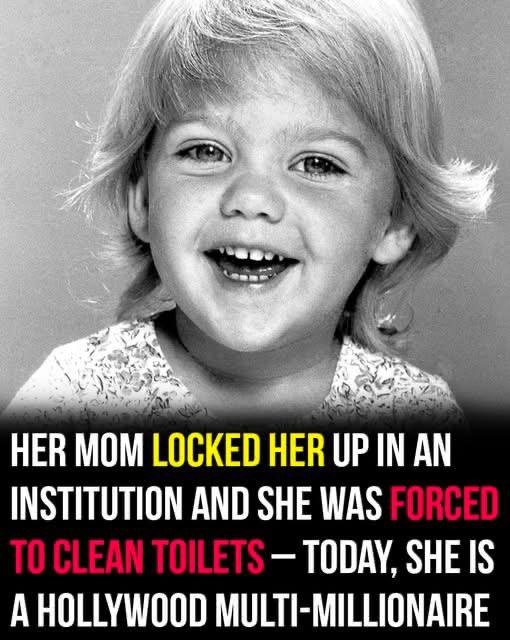
She was still in elementary school when alcohol entered her life.Before most teens start high school, she was already in rehab.Today, she’s one of the most recognizable and financially successful actresses in Hollywood — proof that even the darkest beginnings don’t have to define the ending.Fame Before Childhood Had a ChanceThis Hollywood icon’s life began in front of a camera almost instantly. At just 11 months old, she appeared in a commercial, unknowingly setting the stage for a career that would make her world-famous before she turned eight.By the time she reached grade school, audiences everywhere knew her face. A memorable late-night TV appearance showcased her charm and confidence, making her impossible to forget. Viewers were enchanted — even if she felt disconnected from kids her own age.Her first movie role came at age five, but global fame arrived shortly after with E.T. the Extra-Terrestrial. Overnight, she became one of the most famous child stars in the world. “I didn’t understand joy or consequences,” she later admitted. “I was too young to understand anything except attention.” A Home Life Marked by Addiction and ChaosBehind the spotlight, her personal life was unstable. Addiction was deeply embedded in her family history. Her father struggled with alcoholism and was largely absent, while her mother’s unpredictable lifestyle left her emotionally unprotected.When her parents divorced, the boundaries disappeared completely. She was taken to adult parties, nightclubs, and celebrity-filled environments that exposed her to substances far too early. “I didn’t feel like I had parents,” she later said. “I felt like I was responsible for myself.” Addiction Took Hold Shockingly EarlyBy eight, she was already drinking.By eleven, alcohol was a serious issue.By twelve, addiction controlled her life.That same year, she entered rehab. At thirteen, after a suicide attempt, she spent a year and a half in a psychiatric institution. “That was the lowest point,” she reflected years later. “Knowing I was truly alone was terrifying.” After leaving the facility, she stayed temporarily with musician David Crosby and his wife, who believed she needed stability and sobriety to survive.Tough Discipline That Saved Her LifeThe mental health institution was strict and isolating — but it ultimately gave her something she’d never had before: structure. “It taught me discipline and boundaries,” she said. “I needed that more than anything.” At just 14, she legally separated from her parents. A year later, she was living independently.Hollywood Turned Its BackDespite her early success, the industry moved on quickly. By her mid-teens, acting jobs vanished. At 16, she worked everyday jobs — cleaning bathrooms, waiting tables, and scraping by.She didn’t complain. She remembered a piece of advice that stuck with her:“Expect nothing — and you won’t be destroyed.”Her twenties became a period of rebellion, rediscovery, and gradual healing.Reinventing Herself — and WinningThen came the comeback.She reinvented herself as a leading romantic comedy star, winning over audiences again with warmth, humor, and vulnerability. Films like The Wedding Singer, Never Been Kissed, and 50 First Dates became major box-office successes.The former troubled child star had become Drew Barrymore — a Hollywood mainstay.Motherhood Changed Her PrioritiesIn 2012, Barrymore made a major life shift. She stepped back from constant film work to focus on raising her daughters, Olive and Frankie.When she explained that she didn’t want to “do everything at once,” she faced criticism — particularly from other women. “I wasn’t saying women can’t have it all,” she clarified.“I was saying I can’t do everything at the same time and do it well.” Creating the Childhood She Never HadHer past shaped her parenting philosophy. She built a calm, structured, screen-limited home centered on family routines, meals together, and emotional presence. “I didn’t have parents growing up,” she said. “So I became determined to be one.” Drew Barrymore’s Net Worth and Career TodayBarrymore is now far more than an actress. She’s a successful talk show host, producer, beauty brand founder, and real estate investor.According to Celebrity Net Worth, her estimated wealth is $85 million, split between acting income and business ventures.She currently hosts The Drew Barrymore Show and continues to speak openly about addiction recovery, mental health, and surviving child stardom. “If I had listened to advice when I was young,” she joked in 2024,“I would’ve done the opposite anyway.” A Life Rewritten on Her Own TermsAs she reached her 50s, Barrymore reflected on how far she’d come. “There’s a moment when you realize you’re ready,” she wrote.“Ready for peace. Ready for yourself.” Drew Barrymore’s journey is more than a celebrity story — it’s a powerful reminder that survival, growth, and long-term success are possible, even after extreme adversity.

Sep 16, 2026
Why Everyone Wants This 77-Acre North Carolina Farm Estate New

Why Everyone Wants This 77-Acre North Carolina Farm Estate

Finding a property that combines space, privacy, and convenience isn’t easy. That’s why this impressive 76.9-acre farm in Midland, North Carolina, is attracting attention from buyers looking for more than just a home.Tucked behind a gated entrance, the property welcomes visitors with a long driveway lined by classic white fencing. From the moment you arrive, the peaceful surroundings and expansive views create a sense of escape from the hustle and bustle of everyday life.Stretching across nearly 77 acres, the land features a beautiful mix of open pastures and wooded areas. Whether you’re interested in farming, raising livestock, outdoor recreation, or simply enjoying a quieter lifestyle, the property offers the flexibility to make that vision a reality.At the heart of the farm sits a well-maintained brick home built in 1987. Offering approximately 3,133 square feet of living space, the residence includes three bedrooms and four bathrooms arranged in a practical single-level layout.Large windows throughout the home capture views of the surrounding countryside, bringing natural light and scenic landscapes indoors. The design focuses on comfort and functionality, creating a welcoming environment for everyday living while offering plenty of room for entertaining family and friends.A basement adds valuable extra space that can be used for storage, hobbies, workshops, or recreational activities.Outside, the property’s agricultural infrastructure is ready to support a variety of uses. Expansive fenced pastures provide room for livestock and farming operations, while a large red barn serves as a centerpiece of the working farm setup.The barn includes spacious stalls, automatic waterers, and a restroom, helping simplify day-to-day farm management. Additional outbuildings provide convenient storage for equipment, tools, and machinery, keeping operations organized and efficient.One of the most appealing features of the property is its stocked pond. Complete with a dock and nearby swing, the pond creates a peaceful gathering spot for fishing, relaxing, or simply taking in the scenery.Surrounded by mature trees and open views, the area offers a tranquil retreat where owners can enjoy nature throughout the changing seasons. Wildlife is frequently spotted around the pond and wooded sections of the property, adding even more charm to the landscape.The farm also includes an additional mobile home, offering flexible living arrangements for guests, extended family members, or farm staff. This separate residence provides added convenience while maintaining privacy for everyone on the property.Despite its peaceful rural setting, the farm remains conveniently located just minutes from Interstate 485, providing easy access to Charlotte and surrounding communities.For buyers seeking acreage, privacy, and a property with room to grow, this North Carolina farm presents a rare opportunity to enjoy country living without sacrificing accessibility.With open fields, a stocked pond, multiple living spaces, and well-equipped farm facilities, it’s a property designed to support both work and relaxation for years to come.

Sep 16, 2026
Wisconsin Shaken: Second Teacher's Shocking Confession Rocks Small Town New

Wisconsin Shaken: Second Teacher's Shocking Confession Rocks Small Town

A Wisconsin teacher confessed to sexually assaulting a 15-year-old she babysat — after she was caught texting about her perverted behavior with another now-convicted pedophile educator.The small town of Hudson has been rocked by the back-to-back scandals involving Abigail Faust, 25, whom cops zeroed in on while investigating fellow River Crest Elementary School teacher and convicted pervert Madison Bergmann.Faust and Bergmann, 26 — who pleaded guilty last year to sexually assaulting one of her 11-year-old students and is currently serving a six-year prison sentence — were nabbed texting about their disgusting hookups.“What I did was not a mistake or a lapse of judgment,” Faust said in court Monday, as she copped to sexually assaulting the 15-year-old and claimed she is seeing a therapist, Twin Cities Pioneer Press reported. Abigail Michelle Faust admitted to abuse of a teen student. St. Croix County Public SafetyFaust admitted to sexually assaulting the 15-year-old while working as the family’s nanny in Washington County. She was charged in a second case for allegedly kissing a fifth-grade boy in her classroom last year.The sicko copped a plea deal with prosecutors, who agreed to toss the kissing case and not ask for a more than 15-year prison sentence.Bergmann pleaded guilty to two counts of sexual misconduct by school staff and one count of child enticement after the boy’s parents found lewd text conversations with the dirty teacher on their son’s phone. Fellow 5th-grade teacher Madison Bergmann exchanged twisted messages with Faust. St. Croix PDFaust was tossed in jail pending her sentencing on Dec. 15.

Sep 16, 2026
Donald Trump Sparks Controversy Over Kennedy Center Name Change Demand New

Donald Trump Sparks Controversy Over Kennedy Center Name Change Demand

President Donald Trump is supportive of the Kennedy Center’s renovations — if his name can be added to the landmark. “The Board of The Kennedy Center today agreed, almost unanimously, to close the Building for Safety reasons, and so that it can begin the process of Reconstruction,” Trump, 80, wrote via TruthSocial on Tuesday, September 15. “The closing will take place immediately, however, the Renovation and Reconstruction, which is a very large and complex job, cannot begin until such time as the D.C. Circuit rules on the Board’s approved name.” The commander in chief continued, “If the ruling is a negative one, which it should not be, and is not overturned by the U.S. Supreme Court, the Reconstruction and the Renovation of The Kennedy Center will not take place.” In his latest post, Trump claimed $17 million — that he allegedly raised — has already been put into The Kennedy Center account to keep it afloat. Earlier in the day, U.S. District Judge Christopher Cooper explained that Congress would need to approve Trump’s name being added to the Washington, D.C., building first named after John F. Kennedy. “Simply put, Defendants cannot install memorials for President Trump or anyone or anything else at the Kennedy Center without Congress’ blessing,” Cooper said in the latest ruling on Tuesday via the Associated Press. Trump claimed the attorneys from the Department of Justice would be asking for an expedited appeal. The Kennedy Center board first voted in August to inscribe Trump’s name on the building’s facade so it would read “The John F. Kennedy Center for the Performing Arts Restored and Renovated By President Donald J. Trump.” If the Trump Kennedy Center Fund reached $100 million, another inscription would be added reading: “Endowed by the Trump Kennedy Center Fund.” Several members of Kennedy’s extended family have spoken out against any name change, including Maria Shriver. “Adding your name to a memorial already named in honor of a great man doesn’t make you a great man. Quite the contrary,” Shriver, 70, wrote via X in December 2025. “Putting your name on top of someone else’s doesn’t mean that people will speak of you in the same breath as the other man. Putting your name above another man’s name on his existing memorial… What is that about? Truly? What’s that about?” Jack Schlossberg, JFK’s only grandson, was also outraged by Trump’s actions. “Trump can take the Kennedy Center for himself. He can change the name, shut the doors, and demolish the building,” Schlossberg, 33, wrote via X in February. “He can try to kill JFK. But JFK is kept alive by us now rising up to remove Donald Trump, bring him to justice, and restore the freedoms generations fought for.”

Sep 16, 2026
How Jennifer Aniston Reinvented Herself Beyond Rachel Green New

How Jennifer Aniston Reinvented Herself Beyond Rachel Green

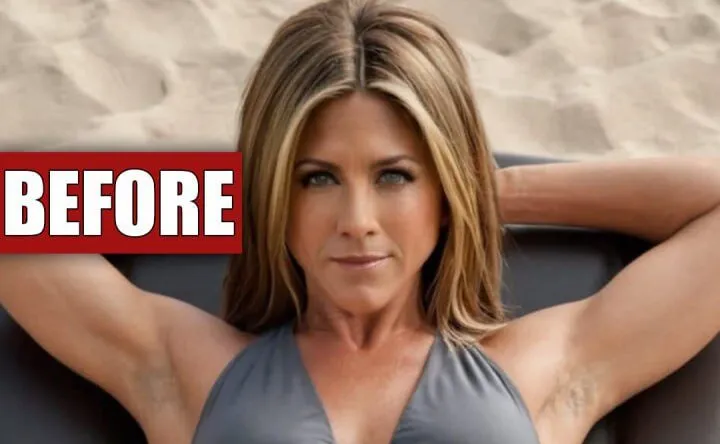
How Jennifer Aniston Turned Television Fame Into a Lasting Entertainment EmpireIn the mid-1990s, television audiences had no idea they were about to witness the beginning of a cultural phenomenon. A young actress walked onto the set of a brand-new sitcom wearing a wedding dress in one of television’s most memorable entrances, unknowingly setting the stage for a career that would span decades. That actress was Jennifer Aniston, and the role that changed everything was Rachel Green.What followed was far more than celebrity success. It became a story of reinvention, determination, and building a legacy far beyond a single television character.From Early Struggles to a Career-Changing OpportunityAlthough Jennifer Aniston was born into a family with entertainment connections, success did not happen overnight.Before reaching international recognition, she experienced the same obstacles many aspiring actors face: auditions that led nowhere, short-lived television projects, and roles that failed to create momentum. There were moments when uncertainty about her future in the industry became very real.Then came one opportunity that changed everything.The Role That Captured an Entire GenerationWhen Friends premiered, few predicted the impact it would have on television and pop culture.Jennifer’s portrayal of Rachel Green quickly connected with viewers through humor, emotion, and relatable life experiences. Her character became one of the most recognizable television personalities of the decade.Soon, audiences everywhere were talking about more than just the show.Fashion trends followed.Hairstyles became iconic.Rachel Green evolved from a television character into a cultural symbol.As the show grew into a global success, the cast reached historic milestones within television, reflecting the incredible popularity of the series.Moving Beyond One Defining RoleMany actors face a difficult challenge after becoming strongly associated with a single character.When Friends concluded, questions quickly emerged about whether Jennifer Aniston could successfully separate herself from Rachel Green’s enormous influence.Rather than slowing down, she embraced new opportunities.She moved into film and became a recognizable face in romantic comedies that connected with audiences around the world. Several projects demonstrated her ability to carry major productions while maintaining the relatable qualities viewers appreciated most.Taking Creative Risks Changed EverythingJust as audiences began associating her primarily with lighter roles, Jennifer surprised critics by stepping into more emotionally demanding projects.Her dramatic performances revealed a different side of her abilities and showed audiences that her range extended far beyond comedy.These roles allowed her to explore more complex characters and earned significant praise for showcasing depth that many had not previously seen.The transition proved that long-term success often requires stepping outside expectations.Adapting to a New Era of EntertainmentAs streaming platforms reshaped television and film, Jennifer once again adapted.Her return to television introduced audiences to a completely different kind of role and highlighted another important evolution in her career: leadership behind the camera.Working as both performer and producer allowed her to take greater creative control while exploring more layered storytelling.It became another example of her ability to evolve with a changing industry.Building Success Beyond ActingOne of the most significant reasons Jennifer Aniston has maintained such long-term influence may be her understanding that lasting careers often require diversification.Over the years, she developed interests beyond acting, including wellness, health, and lifestyle initiatives.Her passion for self-care and healthy living eventually expanded into business opportunities, allowing her to connect with audiences in entirely different ways.Rather than relying solely on entertainment projects, she continued building a brand based on authenticity and personal interests.A Career Defined by ReinventionLooking back, Jennifer Aniston’s journey is far more than a Hollywood success story.She began as an actress searching for her breakthrough.She became a global television icon.Then she evolved into a producer, entrepreneur, and enduring public figure whose influence continues across multiple industries.In an industry known for constant change, maintaining relevance for decades is a rare achievement.Jennifer Aniston’s story demonstrates that long-term success often comes not from repeating the same formula, but from continuously evolving while staying true to who you are.Join the ConversationWhat has been your favorite Jennifer Aniston role over the years? Share your thoughts below and join the discussion with fellow readers.

Sep 16, 2026
Trump's Bold Move: Demands Kennedy Center Rename for $257 Million Renovation New

Trump's Bold Move: Demands Kennedy Center Rename for $257 Million Renovation

President Donald Trump is supportive of the Kennedy Center’s renovations — if his name can be added to the landmark. “The Board of The Kennedy Center today agreed, almost unanimously, to close the Building for Safety reasons, and so that it can begin the process of Reconstruction,” Trump, 80, wrote via TruthSocial on Tuesday, September 15. “The closing will take place immediately, however, the Renovation and Reconstruction, which is a very large and complex job, cannot begin until such time as the D.C. Circuit rules on the Board’s approved name.” The commander in chief continued, “If the ruling is a negative one, which it should not be, and is not overturned by the U.S. Supreme Court, the Reconstruction and the Renovation of The Kennedy Center will not take place.” In his latest post, Trump claimed $17 million — that he allegedly raised — has already been put into The Kennedy Center account to keep it afloat. Earlier in the day, U.S. District Judge Christopher Cooper explained that Congress would need to approve Trump’s name being added to the Washington, D.C., building first named after John F. Kennedy. “Simply put, Defendants cannot install memorials for President Trump or anyone or anything else at the Kennedy Center without Congress’ blessing,” Cooper said in the latest ruling on Tuesday via the Associated Press. Trump claimed the attorneys from the Department of Justice would be asking for an expedited appeal. The Kennedy Center board first voted in August to inscribe Trump’s name on the building’s facade so it would read “The John F. Kennedy Center for the Performing Arts Restored and Renovated By President Donald J. Trump.” If the Trump Kennedy Center Fund reached $100 million, another inscription would be added reading: “Endowed by the Trump Kennedy Center Fund.” Several members of Kennedy’s extended family have spoken out against any name change, including Maria Shriver. “Adding your name to a memorial already named in honor of a great man doesn’t make you a great man. Quite the contrary,” Shriver, 70, wrote via X in December 2025. “Putting your name on top of someone else’s doesn’t mean that people will speak of you in the same breath as the other man. Putting your name above another man’s name on his existing memorial… What is that about? Truly? What’s that about?” Jack Schlossberg, JFK’s only grandson, was also outraged by Trump’s actions. “Trump can take the Kennedy Center for himself. He can change the name, shut the doors, and demolish the building,” Schlossberg, 33, wrote via X in February. “He can try to kill JFK. But JFK is kept alive by us now rising up to remove Donald Trump, bring him to justice, and restore the freedoms generations fought for.”

Sep 16, 2026
The Mysterious Giant Eagle Sighting That's Captivating the World New

The Mysterious Giant Eagle Sighting That's Captivating the World

The Texas sky has witnessed countless remarkable sights, but few would capture the imagination quite like the mysterious appearance of a massive bird-like figure soaring above the landscape. For those who saw it, the moment felt impossible—an enormous shadow moving silently overhead, leaving behind more questions than answers.What began as scattered sightings quickly transformed into a global conversation. Online communities, wildlife enthusiasts, and researchers began examining every detail, searching for explanations. Was it an undiscovered species? A rare natural phenomenon? Or simply a case where mystery and imagination collided?The idea of a “Giant Eagle of the Border” sparked fascination because it touched on one of humanity’s oldest curiosities: the possibility that something extraordinary could still exist in a world we believe we know so well.Imagine a secure research facility where scientists carefully analyze every clue. Advanced imaging technology, genetic studies, and comparisons with known bird species become part of a larger effort to understand what this creature could represent. Researchers compare possible traits with modern eagles, condors, and other large birds, looking for answers hidden within the evidence.Each discovery raises new questions. Could an unusual population of a known species explain the sightings? Could environmental changes have allowed a rare creature to thrive in isolation? Or does the mystery simply remind us that nature still has the ability to surprise us?Beyond science, discoveries like this would create conversations about conservation, responsibility, and the relationship between humans and the natural world. A rare animal is not just a spectacle—it is part of an ecosystem with its own history and importance. Protecting such a discovery would require balancing public interest with careful research and respect for the environment.Communities connected to the land would also have a meaningful role in telling the story. The skies above any region carry generations of memories, traditions, and cultural connections. A remarkable creature would not only be a scientific curiosity but also a reminder of the deep relationship between people, wildlife, and the places they call home.Perhaps the most captivating part of the mystery is what it represents. In an age of satellites, cameras, and constant digital observation, it is easy to believe that every corner of the planet has been fully explored. Yet nature continues to reveal surprises, reminding us that discovery is still possible.Whether the legend of the Giant Eagle is viewed as a scientific puzzle, a symbol of the unknown, or simply a fascinating story, it captures a powerful idea: the world may still hold secrets waiting to be uncovered.What do you think—could there still be undiscovered wonders hiding in plain sight? Share your thoughts below and join the conversation.

Sep 16, 2026
The Prom Night Revelation That Changed Everything for Christina and Noah New

The Prom Night Revelation That Changed Everything for Christina and Noah

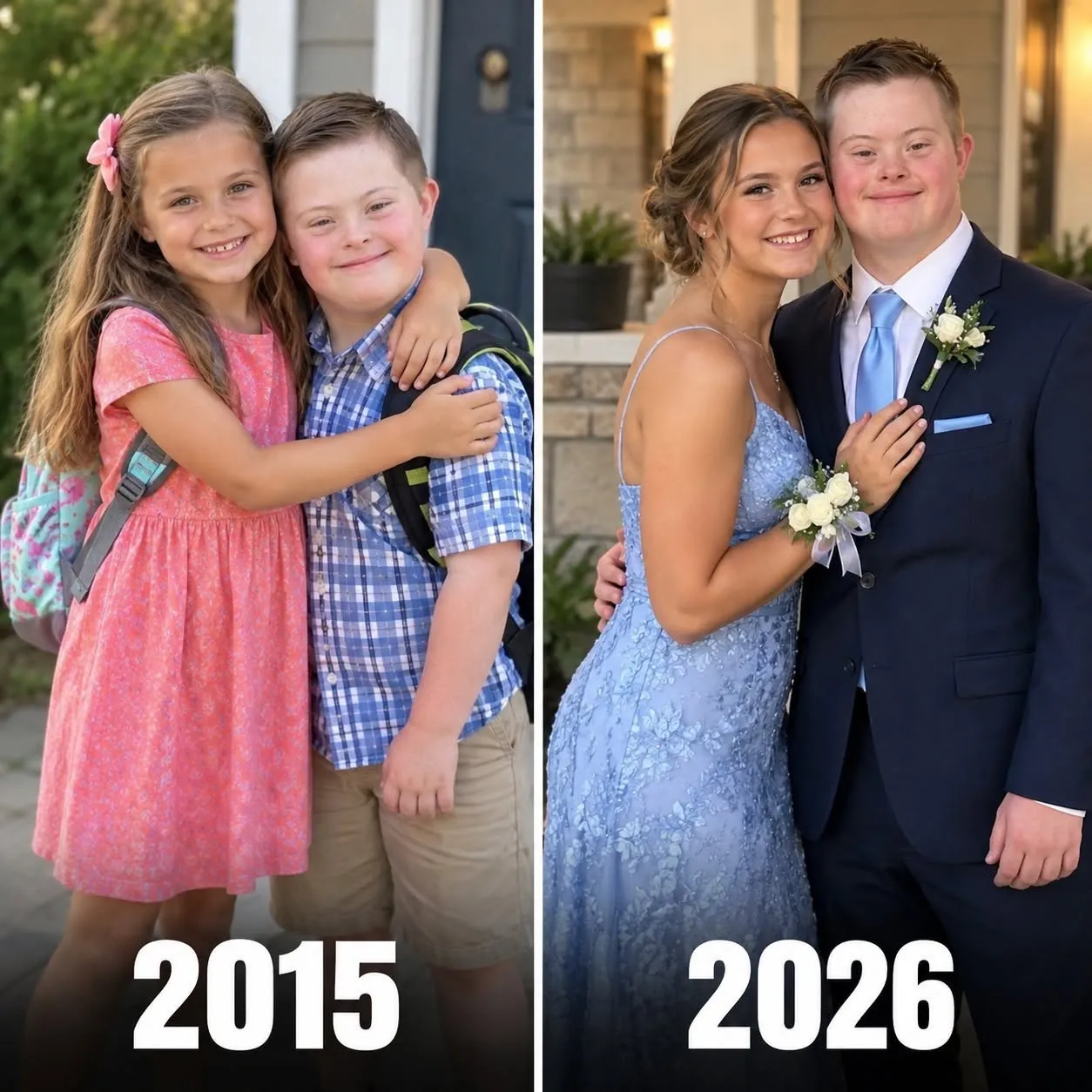
On Prom Night, My Mother Locked My Bedroom Door — Then She Told Me the Truth About My Best FriendOn prom night, my mother locked my bedroom door.That was the moment I realized something was wrong.Downstairs, Noah was waiting for me.I could hear his voice drifting up through the floorboards, followed by my aunt’s laughter. He had arrived in the navy suit he had been talking about for months, wearing the bow tie he had bought absurdly early because, according to him, stores could not be trusted to keep important things in stock.I should have been downstairs with him.Instead, I was standing in my bedroom while my mother turned the lock behind us.“Mom?”She looked at me with an expression I couldn’t read.“You can go with Noah tonight, Christina,” she said.I folded my arms.“But first, I need you to hear something.”“About what?”For a moment, she didn’t answer.Her eyes moved toward the closed door.Then she looked back at me.“About Noah.”My stomach tightened.And then she added, much more quietly:“And about me.”Suddenly, prom was the last thing on my mind.A Friendship That Started With RaisinsNoah and I had been best friends since we were six years old.There was no dramatic beginning to our friendship. No movie-worthy introduction. No teacher intentionally putting us together because she somehow knew we would become inseparable.It started because we both hated raisins.Our first-grade teacher had handed everyone a little red box of raisins during snack time.I didn’t want to eat mine, but I was also six years old and deeply concerned about getting in trouble for wasting food. So I developed what I believed was an ingenious strategy: I quietly pushed the raisins underneath my napkin.Then I heard a voice beside me.“That’s smart.”I turned.Noah was doing exactly the same thing.“You hate them too?” I whispered.He nodded solemnly.“They’re old grapes.”I considered this.It was flawless six-year-old logic.And that was enough.By lunchtime, we were sitting together.By the end of the week, we were inseparable.Noah had Down syndrome, although at six years old that fact meant much less to me than the things I actually cared about.He laughed loudly at my terrible drawings.He knew an unreasonable number of facts about dinosaurs.He sometimes cheated during dinosaur trivia and then insisted he had merely “remembered faster.”He hated raisins.I liked him.Childhood friendships can be beautifully uncomplicated that way.We didn’t analyze why we were friends.We simply were.The Promise We Made at SixOne afternoon, another boy in our class said something cruel to Noah.I don’t remember what started the conversation, but I remember the words.“Nobody is ever going to marry you.”Noah’s expression changed immediately.Even at six, I understood enough to know that the comment had hurt him.“Somebody will love him,” I snapped.The other boy laughed.“Then you marry him.”The argument ended soon afterward, but Noah didn’t forget it.Later, he found me by myself.“Chrissy?”“What?”He looked unusually serious.“Would you love me?”At six years old, I had absolutely no understanding of how complicated that question might sound to an adult.To me, love meant sitting together at lunch, sharing crayons, arguing about dinosaurs, and knowing which snacks the other person hated.So I shrugged.“Maybe.”His face immediately brightened.Then another thought occurred to me.My older cousin had recently been talking endlessly about something called prom. From what I understood, it was an extremely important dance attended by people who were nearly adults.“But first,” I told Noah, “we have to go to prom.”He blinked.“What’s prom?”“A dance you go to when you’re almost grown up.”He thought about that for several seconds.Then he held out his pinkie.“Promise?”I hooked mine around his.“Promise.”And then, being six years old, I forgot about it almost immediately.Noah didn’t.Twelve Years of Growing Up TogetherOur friendship survived the things that often pull childhood friends apart.Different classes.Different interests.New friends.Teenage embarrassment.Arguments.Changing personalities.The strange, uncomfortable process of growing up.Noah became obsessed with baseball statistics.I became obsessed with art.He could spend twenty minutes explaining why a particular pitcher’s numbers were historically significant.I could spend the same amount of time staring at one painting in a museum.He dragged me through endless conversations about baseball.I dragged him through galleries and museums.Neither of us successfully converted the other.But we kept showing up.And as we grew older, I began to understand something important about Noah.He wasn’t the kind of person who tried to solve your problems.He stayed beside you while you solved them yourself.I didn’t fully appreciate how rare that was until my parents divorced.When My Family Fell ApartI was twelve when Dad moved out.Until then, I had believed my family was permanent in the same unquestioning way children believe their house will always be their house.Then suddenly there were arguments behind closed doors.There were boxes.There were uncomfortable conversations.There were nights when Mom thought I was asleep and cried in the kitchen.Dad moved away, and everything familiar seemed to shift.I became quieter.At school, I stopped eating much at lunch.Sometimes I sat staring at my food while everyone around me talked.I didn’t know how to explain what I was feeling.Part of me was angry.Part of me was embarrassed.Mostly, I was afraid that if I started talking about everything happening at home, I wouldn’t be able to stop.Noah noticed.But he never interrogated me.He never demanded that I tell him what was wrong.He simply sat down beside me.Some days he talked about baseball.Some days he complained about homework.Some days he said almost nothing.He just stayed.At the time, I didn’t understand how much those quiet lunches mattered.Years later, I would.The Person Who Always Showed UpNoah had a talent for appearing during the moments when I felt most defeated.When I failed my first driving test, I was humiliated.Almost everyone I knew seemed to have passed immediately, and I had managed to make enough mistakes that even the examiner looked relieved when the test ended.That afternoon, Noah showed up carrying two ice creams.“One because you tried,” he announced.I took one.“And the other?”He smiled.“Because you drove terribly.”I threw a napkin at him.He ate the second ice cream.Another time, I nearly quit art.Someone had laughed at one of my paintings, and because I was a teenager, one careless comment felt like a final judgment on everything I would ever create.I told Noah I was done.The next day, I discovered that he had stolen one of the ugliest dinosaur drawings I had ever made and taped it inside his locker.It was from elementary school.The dinosaur had tiny arms, enormous feet, and something that looked suspiciously like a potato for a body.“Why would you put that there?” I demanded.“Because you can’t quit yet.”“Why?”He studied the picture carefully.“Because your dinosaurs still look like potatoes with arms.”I laughed despite myself.That was Noah.He rarely gave speeches.He didn’t pretend everything would magically become better.He simply had a way of making difficult moments feel survivable.When my first serious teenage relationship ended, he sat with me on the porch while I cried.He didn’t tell me the boy wasn’t worth it.He didn’t promise I would meet somebody better.After a while, he simply asked:“Do you want me to insult him?”I laughed.“No.”“Okay.”A minute passed.“I have several insults ready.”And somehow, I laughed again.PART 2 — The Night Everything ChangedBy senior year, prom was approaching.I already knew who I wanted to go with.But Noah apparently believed our childhood agreement required formal enforcement.One afternoon, he appeared beside my locker.“Do you remember first grade?”I looked at him suspiciously.“That depends.”“Raisins.”I smiled.Then, just to tease him, I pretended not to understand.His face fell.For approximately two seconds.Then he held out his pinkie.And suddenly the memory came rushing back.The raisins.The dinosaur arguments.The cruel boy in our class.The promise made between two six-year-olds who barely understood what prom was.“Prom?” I asked.“Prom.”I hooked my pinkie around his.Then he smiled proudly.“I already bought the bow tie.”“When?”“November.”I stared at him.“Noah, prom is months away.”“Stores run out of things.”“They were not going to run out of bow ties.”He gave me a serious look.“You don’t know that.”And just like that, a twelve-year-old promise became real.The Rosemary CorsageOn prom night, Noah arrived at our house carrying a corsage.I was halfway down the stairs when Mom opened the front door.I watched her expression change.Noah stood on the porch wearing his navy suit. His bow tie—the apparently endangered bow tie he had wisely secured months earlier—was perfectly straight.In his hand was a corsage.When he gave it to me, I examined the greenery tucked among the flowers.“What is that?”“Rosemary,” Noah said.“Why rosemary?”“The florist said it means remembering.”He grinned.“And I remember promises.”Behind me, Mom made a small sound.I turned around.Her eyes were wet.“Mom?”She quickly looked away.Then she said:“Christina, come upstairs with me.”“What? Why?”“Please.”“Noah’s waiting.”“I know.”Something in her voice stopped me from arguing.I followed her upstairs.We entered my bedroom.Mom closed the door.Then she locked it.My excitement disappeared instantly.“You’re scaring me.”She turned around.“You can go with Noah. But before you do, I need one promise from you.”I felt anger rise immediately.“If this has anything to do with Noah having Down syndrome—”“It doesn’t.”“Then what is this about?”Mom sat on the edge of my bed.For several seconds, she seemed unable to decide where to begin.Then she asked:“Do you remember when your father left?”I frowned.“Of course.”“You were twelve.”“I know.”She looked down at her hands.“You stopped eating lunch.”My arms slowly dropped to my sides.“How do you know that?”She looked at me.“Noah told me.”The Secret My Mother Had Kept for Six YearsI didn’t understand.Mom explained that during the worst months of the divorce, she had once been sitting alone in her car in the school parking lot.She had been crying.She thought nobody could see her.But Noah had.“He came over to me,” she said.I sat beside her.“What did he say?”Mom swallowed.“He asked me if you were broken.”My throat tightened.“Why would he ask that?”“Because you weren’t eating. You weren’t laughing much. He said you were sitting alone more often.”I stared at the floor.Those lunches suddenly felt much closer than six years ago.“What did you tell him?”“I told him you weren’t broken.”Mom reached for my hand.“And then Noah said something I’ve remembered ever since.”“What?”Tears appeared in her eyes again.“He said, ‘Good. Because I don’t know how to fix people. I only know how to stay.’”I couldn’t answer.For a moment, I was twelve again.I could see the cafeteria.The untouched food.The empty feeling in my stomach.And Noah sliding into the seat beside me.Sometimes talking.Sometimes silent.Never demanding anything.Never asking me to become cheerful so he could feel useful.He had simply stayed.The Promise I Never Knew AboutMom continued.“That day, I asked Noah to promise me something.”“What?”“I asked him to look after you.”I stared at her.“You did what?”“I was desperate, Christina.”Her voice cracked.“Your father was gone. You barely spoke to me. I felt like I was losing you too. And Noah was one of the only people who could still make you smile.”“What did he say?”She gave a tiny laugh through her tears.“He said, ‘Okay.’”Of course he did.But then Mom’s expression changed.“There’s something else I need to admit.”I waited.“For years afterward, I made a mistake.”“What mistake?”“Whenever you defended Noah, whenever you changed plans because someone excluded him, whenever you chose to spend time with him instead of doing something else, part of me worried.”“Worried about what?”“That you were giving up too much.”I stared at her.She continued before I could respond.“I kept seeing the ways you helped him. I kept wondering what he might need from you in the future. I convinced myself I was protecting you.”Her eyes dropped.“But I wasn’t seeing your friendship clearly.”The room became very quiet.“I was so focused on what Noah might need from you,” she said, “that I never stopped to notice everything he gives you.”And suddenly, I saw the last twelve years differently too.The ice cream after my driving test.The ridiculous dinosaur drawing in his locker.The porch after my heartbreak.The quiet lunches after Dad left.The hundreds of ordinary moments nobody else would ever know about.Noah had never been a responsibility I carried.We carried each other.“So what’s your condition?” I finally asked.Mom looked confused.“You said I could go if I made you a promise.”She smiled.Then she took both my hands.“Don’t go to prom because six-year-old Chrissy made a promise.”I waited.“Go because eighteen-year-old Christina chooses him.”I felt myself smile.“Mom, that’s already why I’m going.”Her face crumpled slightly.“I know that now.”PART 3 — The Promise We Chose to KeepWhen Mom and I finally returned downstairs, Noah was waiting exactly where we had left him.He looked from me to Mom.“You took a long time.”Mom walked directly toward him.“Noah, can I have the first dance?”His eyebrows rose.“Mrs. Jane, this isn’t prom.”I burst out laughing.Mom ignored him and turned on music.For the next thirty seconds, Noah attempted to guide her around the living room while she repeatedly stepped in the wrong direction.Finally, he stopped.“Mrs. Jane.”“Yes?”“Chrissy dances better.”Mom laughed.“That’s why she’s your date.”Then the humor disappeared from her face.She looked directly at him.“Thank you for staying.”Noah seemed confused by the seriousness of the statement.To him, staying had never been extraordinary.It was simply what friends did.He shrugged.“She stays too.”Mom closed her eyes for a second.Those three words seemed to answer a question she had been carrying for six years.Twelve Years LaterProm itself was surprisingly ordinary.And that was what made it perfect.No dramatic announcement was made when we arrived.Nobody stopped the music.Nobody treated Noah like a symbol.Nobody treated me like I had done something heroic by showing up with my best friend.We were simply two eighteen-year-olds going to prom.When the first slow song began, Noah turned toward me.“Chrissy.”“Yes?”He held out his hand.“You owe me.”“Twelve years?”“Twelve years.”I took his hand.Within approximately five seconds, he stepped directly on my shoe.“Ow!”“That was your fault.”“How could that possibly be my fault?”“Your dress is badly designed.”“You’re terrible at dancing.”“You knew that when you agreed.”We started laughing.People nearby looked at us.We didn’t care.And standing there under cheap decorations and flashing lights, I realized how much meaning adults can attach to moments children once understood instinctively.When we were six, Noah had asked whether somebody could love him.I had never thought of him as a diagnosis.I had never thought of myself as somebody making a sacrifice.He was simply Noah.My friend.The boy who hated raisins.The boy who remembered promises.The person who stayed.And now we were almost adults.The world had become more complicated.But perhaps that part didn’t need to be.Nobody Was Rescuing AnybodyMom picked us up after prom.My feet were aching, so Noah carried my heels.He was uncomfortable in his suit, so I carried his jacket.When we reached the car, he opened my door.I climbed inside.Then I leaned across the back seat and opened his.He got in beside me.From the driver’s seat, Mom watched us through the rearview mirror.For years, she had looked at our friendship through the question so many people instinctively ask:Who is taking care of whom?That night, she finally understood that it was the wrong question.Nobody was rescuing anybody.Nobody was staying because of guilt.Nobody was fulfilling an obligation made years earlier.There was no hero and no person waiting to be saved.There were simply two friends who had grown up together.Sometimes I carried Noah.Sometimes Noah carried me.Most of the time, we simply walked beside each other.Maybe that was why our friendship had lasted.Neither of us had been asked to become the other person’s entire world.We simply kept making room for each other in our own.What Noah Understood Before the Rest of UsAs we drove home, Noah eventually fell asleep against the window.His bow tie was crooked now.Mom glanced at him through the mirror.Then she looked at me.I smiled.No words were necessary.For six years, she had carried guilt about the promise she had asked a twelve-year-old boy to make.She had also carried fear that I might someday confuse loyalty with obligation.But she finally understood what Noah and I had known in our own imperfect way since childhood.Real friendship is not measured by who needs more help.It is not a balance sheet.It doesn’t require every act of kindness to be immediately repaid.There are seasons when one person gives more.There are seasons when the other does.There are days when friendship means showing up with two ice creams after a failed driving test.Sometimes it means putting an ugly dinosaur drawing in your locker.Sometimes it means sitting beside someone who cannot explain why she is hurting.And sometimes it means remembering a promise made over boxes of unwanted raisins twelve years earlier.Noah had said something at twelve that my mother never forgot:“I don’t know how to fix people. I only know how to stay.”Maybe that was the lesson underneath everything.We spend so much of our lives trying to fix people.We search for the right advice.The perfect words.The solution that will make someone stop hurting.But often, the people we love aren’t asking us to repair them.They simply need to know they won’t have to face the difficult part alone.Noah understood that long before I did.He never fixed my parents’ divorce.He couldn’t.He didn’t fix my failed driving test.He didn’t erase my heartbreak.He didn’t make every cruel comment disappear.He simply stayed long enough for those moments to stop feeling impossible.And I stayed for him too.Not because my mother asked him to protect me.Not because of the promise two children made when they were six.Not because either of us owed the other anything.We stayed because, somewhere between raisins and dinosaurs, school lunches and baseball statistics, paintings and heartbreaks, we had chosen each other as friends.The prom promise mattered.But the choice mattered more.Noah and I had somehow figured out something as children that many adults spend years trying to understand:Love isn’t always about fixing someone.Sometimes it’s about sitting beside them.Remembering what matters to them.Carrying their shoes when their feet hurt.Letting them carry your jacket when you’re tired.Laughing when the dance goes wrong.And choosing, again and again, not to disappear when life becomes difficult.When someone truly matters to you, you stay.And sometimes, if you’re lucky enough, they stay too.


Sep 16, 2026