Browse

Latest Headlines

Fresh headlines, crisp visuals — faster reading.

Why Dolly Parton Chose Not to Have Children: The Story Unveiled

Why Dolly Parton Chose Not to Have Children: The Story Unveiled

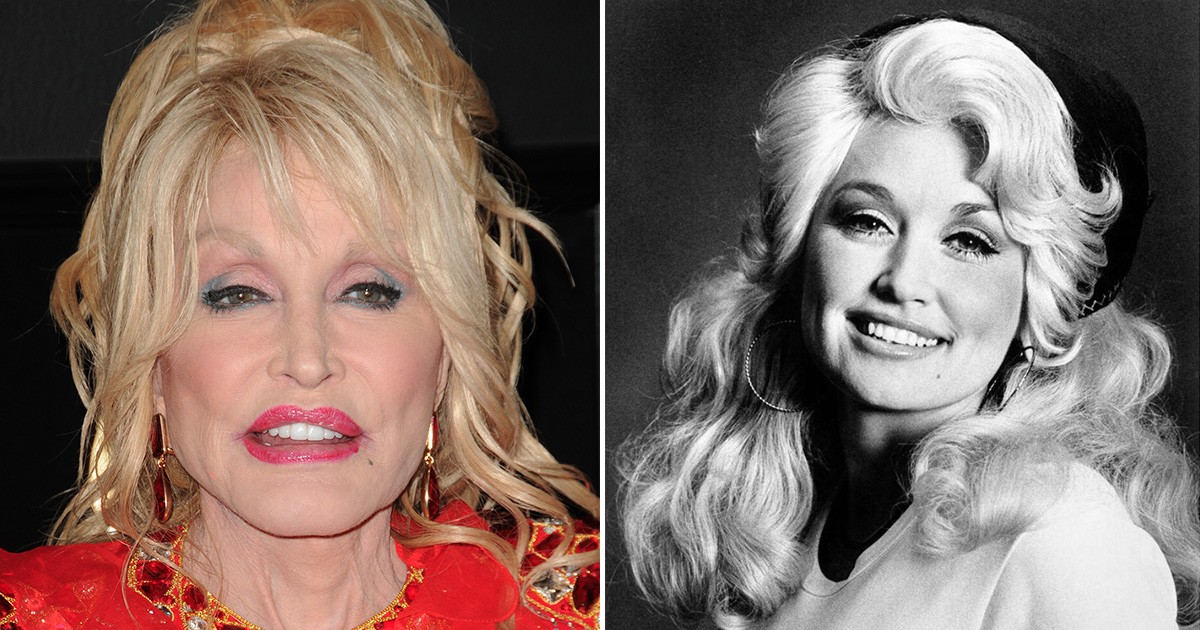
Dolly Parton has died at the age of 80. The country star was a true legend in music, but did much more than just music. Parton was always keen on helping others, doing the best she could by giving away books to young children and trying to brighten people’s days during the COVID-19 pandemic, as well as donating money for the vaccine. However, Dolly never had children of her own. Why? Here’s the reason.On Tuesday, Dolly Parton’s family announced that the country legend had passed away at age 80. Her nephew, Bryan Seaver, revealed the news through her Instagram.“This video announcement is something Dolly asked of me years ago, before I fully absorbed it as a future reality. As her head of security for more than two decades, a role my father Larry held before me, I have imagined the heaviness of this moment but haven’t truly felt it until now,” Seavers said.Dolly Parton dead at 80He continued. “It is an honor, an honor that is mixed with absolute pride and great sadness. But sadness lies with us, not with Dolly. Dolly has lived in the light and is in the arms of Jesus, surely met by Carl, her parents and countless others who have watched her and longed to meet her in the heavens.”In a statement, Dolly Parton’s family later shared she passed away following a “brief battle with cancer.” The type of cancer was not disclosed.Dolly Parton was a cultural icon who became a worldwide country star even before country music was a big thing outside the U.S. Her powerful voice and magical songwriting skills established her as a legend in the country and pop charts for several decades.Dolly Parton – early lifeBorn on January 19, 1946, in Locust Ridge, Tennessee. Dolly Parton grew up poor in Locust Ridge, near the Great Smoky Mountains, as one of 12 children, and money was quite an issue.However, music became something her family gathered around. Her mother sang and played guitar, and when Parton performed in church at a young age, she started to learn more about music.“Music was such a large part of our whole family, Parton recalled. “All of my mama’s people were musical. They all played some sort of musical instrument. Of course, I took my music real serious, and I was always plucking along on somebody’s instrument — whatever they would leave lying around or whenever my family would come. But I always loved the guitar.”Dolly Parton got her own guitar from her uncle. Before long, she had started to write her own songs.By age 10, she had performed on several local television and ratio stations in Knoxville, Tennessee, and at age 13, she made her debut on the national country radio station, Grand Ole Opry. At the time, she was making about $20 dollars a week.Move to NashvilleFamily and music walked hand in hand at the Parton’s. And it was also her uncles that helped her take the next step.“I had two uncles who played — Uncle Bill, who helped me get into the business, and Uncle Lewis, who was also a great guitar player,” she said. “He had this little Martin guitar that I loved, so when he saw how serious I was about my music, he gave me his little Martin guitar. It was my treasure.”Parton went to high school and graduated, becoming the first one in her family to do so. But in 1964, at the age of 18, she decided to focus fully on her music career. Dolly Parton left home and headed to the Mecca of the country music scene, Nashville.“I had a dream,” she said. “And I had a talent, I thought. And I really believed it was going to happen.”In Nashville, Dolly quickly became a star. She worked with Porter Wagoner on The Porter Wagoner Show, and the duo became very popular. Parton and Wagoner released several country hits together, and she soon got a contract with RCA Records. In 1971, Parton landed her first No. 1 country hit, Joshua, and several more hits followed. One of them was, of course, Jolene.Parton got the idea in the late 1960s, when she usually signed autographs for the audience after the television show she was on.Who’s Jolene by Dolly Parton about?“One night, I was on stage, and there was this beautiful little girl — she was probably 8 years old at the time,” Parton recalled. “And she had this beautiful red hair, this beautiful skin, these beautiful green eyes, and she was looking up at me, holding, you know, for an autograph. I said, ‘Well, you’re the prettiest little thing I ever saw. So what is your name?’ And she said, ‘Jolene.’ And I said, ‘Jolene, Jolene, Jolene, Jolene. ‘That is pretty. That sounds like a song. I’m going to write a song about that.’”The inspiration for the song came from a bank teller who was showing Parton’s new husband quite some interest.“She got this terrible crush on my husband,” Parton said. “And he just loved going to the bank because she paid him so much attention. It was kinda like a running joke between us — when I was saying, ‘Hell, you’re spending a lot of time at the bank. I don’t believe we’ve got that kind of money.’ So it’s really an innocent song all around, but sounds like a dreadful one.”The song Jolene only has 200 words in it. Hower, it became one of the biggest hits of the 20th century. Dolly Parton reached No. 1 on the charts and the song was nominated for two Grammy Awards for Best Female Country Vocal Performance (both studio and live version).ShutterstockNot only that, but Jolene was ranked No. 217 on Rolling Stone magazine’s list of “the 500 Greatest Songs of All Time”, released in 2004.Hits and awardsWith songs like I Will Always Love You, – which was a tribute to Wagoner and their professional relationship – The Seeker, Love Is Like a Butterfly and All I Can Do, Dolly Parton stacked up awards upon awards, and became a real superstar worldwide.She won her first Grammy in 1977 with Here You Come Again, and more hits followed.In the 1980s, Dolly Parton broadened her audience by heading into the film business. She starred alongside Jane Fonda in the 1980 hit comedy 9 to 5, for which she also contributed with the soundtrack. More film appearances followed, and in 1986, she even opened her own amusement park, Dollywood, in Pigeon Forge, Tennessee.Dolly claims to have written more than 3,000 songs in her career. Meanwhile, she’s sold more than 100 million albums, topped the country chart 25 times, and won a staggering eight Grammy Awards. And she’s showing no signs of slowing down.“Almost every day I come up with a few song titles or a sweet melody,” Parton told BBC in 2016.“I’m 16 in some ways. I’m still a hopeless romantic. But I’m 35 in my spirit and in my mind. When I was 35, it was a pinnacle, a great time in my life – success and happiness and all that. And so I just decided ‘I’m gonna claim that number and always be that in my state of mind.’”Dolly Parton – husband Carl DeanWhile Dolly Parton has conquered the world with her legendary music and songwriting, as well as her wonderful live performances, she found the love of her life more than 55 years ago.In 1964, Dolly met Carl Dean outside the Wishy Washy Laundromat in Nashville, Tennessee. At the time, Dolly was 18 years of age and Carl 21. Straight away, Carl realized there was something very special about the young lady.“My first thought was, ‘I’m gonna marry that girl,’” Dean said in a statement of the moment they met, as quoted by Entertainment Tonight.“My second thought was, ‘Lord she’s good lookin’.’ And that was the day my life began. I wouldn’t trade the last 50 years for nothing on this earth.”Dean was sitting in his pickup truck as he saw Dolly and “hollered” at her, as she recalled in an interview with the NY Times in 1976.However, she declined a date with him. Instead, she invited him over when she was babysitting her nephew just days after. It was the start of a love story that never ended.Shutterstock“He came up every day that week and we sat out on the porch. I wouldn’t even take him in the house,” she said.Left Tennessee to get married“Then my aunt got a day off, and she could keep the kid and that was my first chance to go anywhere with Carl and he drove me straight to his folks’ house and introduced me to his mother and daddy. ‘Cause he said he knew right the minute he saw me that that’s the one he wanted.”In May 1966, Dolly Parton and Carl Dean married in a private ceremony in Ringgold, Georgia. Her record label actually wanted them to wait to get married, since she had a career to think about. But Dean and Dolly didn’t want to wait, and as a result, they decided to tie the knot in Georgia so that the local press in Tennessee wouldn’t write about it.The only ones in attendance were Dolly, Carl and her mother.“My mother made me a little white dress and a little bouquet and a little Bible,” Dolly recalled. “But I said, ‘I can’t get married in a courthouse because I’ll never feel married.’ So we found a little Baptist church in town, and went up to Pastor Don Duvall and said, ‘Would you marry us?’ We got pictures on the steps right outside the church.”Instagram/dollypartonEver since then, Dolly and Carl have been deeply in love. However, he never walks the red carpet with her at award shows or charity events.Carl Dean did it once, when his wife received her first songwriting award at 20-years of age. But that was it.“We have a lot of fun”“After the dinner, we walked back out, and they brought us our car — I don’t even remember what we were driving then — and we got in it and headed for home,” Parton recalled, as quoted by The Boot. “Carl turned to me and said, ‘Dolly, I want you to have everything you want, and I’m happy for you, but don’t you ever ask me to go to another one of them dang things again!’”In 2016, the couple celebrated their 50th anniversary. To celebrate it, they decided to renew their vows.“That was sweet,” Dolly Patron told BBC.“There was no pressure at all. We had our own little ceremony in a little chapel on our property, then we went in our little RV down to Ringgold, Georgia, and spent the night where we had married 50 years before. We took some beautiful pictures and got all dressed up. It was fun really.”Shutterstock“We’ve always been good buddies. We have a lot of fun and a lot of respect for one another. It was his first marriage and mine and we never thought we’d ever want to do that again. Why bother?”Carl Dean sadly passed away in 2025. While their love story stretched for more than seven decades they decided to not have children.Speaking on Today, Dolly Parton simply said that she had to give it up in order to continue with her career.“I’ve made sacrifices, but I think, like I said, I believe what I know I’m supposed to do,” Parton said. “I’ve made the sacrifice of time… and not having time to spend with family, and you give up family and friends, vacation, and work without end, 24/7, 365, but you got to make the sacrifice.”ShutterstockShe told The Guardian that she and Dean have always wondered what their children would look like.And yet, while Dolly Parton doesn’t have children of her own, she does all she can to help those in need. Parton started the book-gifting program Imagination Library project, that mails free, high-quality books to children from birth up to age five, no matter their family’s income.According to Parton, there’s been up to 125 million kids involved in the program. She says her father was the big inspiration for starting it.“So when I got ready to start the program, I thought I’m going to do this for my dad and I’m going to bring him along with me to help me with that,” she said.“So, he got to live long enough to see it really take off and start doing good, and so he loved it when the kids called me the Book Lady. He was prouder of that than saying that my daughter’s a star: ‘My daughter’s the Book Lady.’”“Everybody’s kids could be mine”In a 2020 episode of The Oprah Conversation, the singer explained to Oprah Winfrey that not being a mother gave her an independence that ultimately allowed her career to thrive.“Since I had no kids, and my husband was pretty independent, I had freedom,” she said. “So I think a big part of my whole success is the fact that I was free to work.”Dolly Parton added, “I didn’t have children because I believed that God didn’t mean for me to have kids so everybody’s kids could be mine, so I could do things like Imagination Library, because if I hadn’t had the freedom to work, I wouldn’t have done all the things I’ve done,” she told Winfrey. “I wouldn’t be in a position to do all of the things I’m doing now.”Dolly Parton’s legacy will live on forever. Thank you for all the wonderful tunes, Dolly. Rest in peace.Please share this article on Facebook to honor Dolly Parton!

Sep 08, 2026
Isaiah and Mariah's Secret Hotel Night Exposed in Shocking Twist

Isaiah and Mariah's Secret Hotel Night Exposed in Shocking Twist

Isaiah Finally Takes Mariah to a Hotel—But Their Night Takes a Shocking Turn and Crossed a Line!Isaiah had been acting strangely for days.Brooke noticed it immediately.He wasn't answering his phone like he used to. His messages became shorter, and whenever Brooke asked where he had been, he always seemed to have a different excuse.One evening, Brooke finally confronted him.“Isaiah, what is going on with you?”“Nothing,” he replied quickly.“Then why are you acting like you're hiding something?”Isaiah sighed.“I just need some space.”Brooke stared at him.“Space from me?”Isaiah didn't answer.What Brooke didn't know was that Isaiah had already made plans with Mariah.Later that night, Isaiah picked Mariah up and drove her to a hotel across town.Mariah looked nervous when they arrived.“Are you sure this is a good idea?”Isaiah nodded.“We just need somewhere quiet to talk.”Mariah followed him inside.Once they entered the room, Isaiah closed the door.For a while, they simply talked.Mariah asked him about Brooke.“You're still with her, right?”Isaiah looked away.“It's complicated.”“Then why did you bring me here?”Isaiah couldn't answer immediately.He knew exactly why he had brought her there, but saying it out loud would make everything real.Mariah stepped closer.“You told me you were unhappy.”“I am.”“And you told me you were thinking about leaving Brooke.”“I've been thinking about it.”Mariah stared into his eyes.“Then what are you waiting for?”Isaiah remained silent.The conversation became increasingly emotional.They talked about their feelings, their secrets, and everything they had been hiding.Eventually, Isaiah and Mariah crossed a line they both knew they shouldn't have crossed.The moment afterward was completely different.The excitement disappeared.Silence filled the room.Mariah looked at Isaiah.“What did we just do?”Isaiah sat down and covered his face.“I don't know.”“You do know,” Mariah replied. “You just don't want to admit it.”Isaiah looked at her.“I've made a huge mistake.”Mariah's expression changed.“So what happens now?”Before Isaiah could answer, his phone started ringing.He looked at the screen.Brooke.He didn't answer.A second call came.Then another.Mariah stared at him.“You need to tell her.”“I can't.”“You have to.”Isaiah turned his phone face down.But neither of them knew that Brooke had already become suspicious.Earlier, Brooke had noticed Isaiah leaving.She had tried calling him repeatedly, but he wasn't answering.After talking to a friend, Brooke finally discovered the hotel Isaiah had gone to.She immediately drove there.Meanwhile, Isaiah and Mariah were still inside the room.A loud knock suddenly came from the door.Both froze.“Who is that?”Another knock.Isaiah slowly walked toward the door.Then he heard a familiar voice.“Isaiah! Open this door!”His face went pale.It was Brooke.Mariah immediately stepped backward.“Oh my God.”Isaiah whispered,“How did she find us?”Brooke knocked again.“ISAIAH! I KNOW YOU'RE IN THERE!”Isaiah opened the door.Brooke stood in the hallway, furious and heartbroken.She looked past him.Then she saw Mariah.Everything suddenly made sense.Brooke's eyes filled with tears.“So this is what you've been hiding?”“Brooke, please—”“Don't.”Isaiah tried to explain.“It wasn't supposed to happen.”Brooke shook her head.“You brought her to a hotel. What did you think was going to happen?”Mariah remained silent.Brooke looked directly at her.“And you knew about me?”Mariah quietly nodded.Brooke wiped her tears.“Then both of you knew exactly what you were doing.”Isaiah stepped toward Brooke.“I’m sorry.”Brooke backed away.“Don't touch me.”Those four words completely silenced him.Brooke turned around and walked away.Isaiah followed her into the hallway.“Brooke, please listen!”She stopped.“You made your choice tonight, Isaiah.”Then she walked away.Isaiah stood there watching her disappear.Mariah eventually came out of the room.“Isaiah…”He didn't respond.His phone suddenly buzzed.A message from Brooke appeared:“Don't call me. Don't text me. I need you out of my life.”Isaiah stared at the message.For the first time, he realized that one night had potentially destroyed everything.But then another notification appeared.This time, it wasn't from Brooke.It was from someone else.The message contained a photo of Isaiah and Mariah entering the hotel.Underneath it were four words:“Everyone is going to know.”Isaiah's face went completely pale.Someone had been watching them.And now their secret was about to become public.TO BE CONTINUED…

Sep 07, 2026
Pamela Anderson's 10-Year Prognosis: The Unexpected Turn of Events

Pamela Anderson's 10-Year Prognosis: The Unexpected Turn of Events

Pamela Anderson spent more than a decade living with hepatitis C before announcing in 2015 that treatment had cleared the virus from her body. Her experience began around 2001, when routine blood testing revealed an infection she had not expected to find. In a 2002 interview with Larry King, Anderson explained that she had not been experiencing obvious symptoms before the diagnosis. She recalled initially believing that the condition might mean she was dying because she understood there was no simple way to eliminate it at that time.The diagnosis became an important health issue that followed her for years despite periods when she said she felt physically well. Her later recovery would arrive during a period when treatment for hepatitis C was undergoing a major medical transformation. When Anderson discussed the diagnosis publicly in July 2002, she said her doctor had discovered an abnormality during blood testing and told her that she had hepatitis C. She responded by asking how the infection could be removed, and she recalled being told that it could not simply be eliminated with the treatments then available.She also said she had not noticed significant symptoms, illustrating an important characteristic of hepatitis C. Chronic infection can remain unnoticed for years because some people experience few or no recognizable symptoms while liver damage develops gradually. That absence of symptoms can make testing especially important for people who may have been exposed to the virus. Anderson’s diagnosis was therefore discovered through medical testing rather than because a dramatic symptom had forced her to seek treatment.Hepatitis C is caused by the hepatitis C virus, commonly abbreviated HCV, and primarily affects the liver. The virus is transmitted through exposure to infected blood, although the circumstances surrounding transmission vary. Chronic hepatitis C can eventually contribute to liver fibrosis, cirrhosis, liver cancer and other serious complications if the infection persists untreated. At the same time, the disease does not progress identically in every person, making an individual life-expectancy prediction much more complicated than a simple fixed number of years.Modern medical authorities therefore evaluate factors such as liver damage, other health conditions and whether successful antiviral treatment is available. Today, direct-acting antiviral medicines can cure more than 95 percent of people treated for hepatitis C. Anderson later described the emotional impact of her original prognosis in particularly stark terms. She said that when she was diagnosed, she had been told she could die within approximately 10 years. That statement should be understood as Anderson’s account of what she was told rather than as a universal prognosis for people with hepatitis C.Years later, she recalled that the possibility of dying young had affected the way she thought about her future. She described the diagnosis as something that continued to influence decisions even during periods when she looked healthy and confident publicly. The uncertainty became part of her life long before the medical advances that would ultimately give her a very different outcome. Being given a frightening prognosis can affect much more than physical health.Anderson was raising two sons while also maintaining a highly visible career, and she repeatedly spoke about wanting to remain healthy for her children. During her 2002 interview, she talked openly about wanting to fight the infection and eventually overcome it. She also said she had spoken with singer Naomi Judd, who had previously undergone treatment for hepatitis C and had publicly discussed her own experience. Anderson’s comments showed that she was seeking information at a time when treatment options were much more difficult than those available today. Her health story therefore unfolded alongside major changes in how hepatitis C was understood and treated.The question of how Anderson became infected also became part of public discussion after she disclosed her diagnosis. Anderson said she believed the infection resulted from sharing a tattoo needle with her former husband, Mötley Crüe drummer Tommy Lee. Reports from the period noted that Lee denied her allegation about transmission. Because the former couple provided conflicting accounts, it would be inaccurate to state definitively that Lee transmitted the infection to Anderson. The appropriate description is that Anderson publicly attributed her infection to shared tattoo equipment while Lee disputed her version of events. What is independently clear is that Anderson had hepatitis C and continued discussing the condition publicly for many years.Blood exposure through inadequately sterilized needles is a recognized route by which hepatitis C can spread. The World Health Organization identifies exposure to infected blood, including unsafe injections and shared needles, as important routes of transmission. Sexual transmission can also occur, particularly when sexual practices involve exposure to blood, although the risk varies according to circumstances. Hepatitis C is not spread through ordinary casual contact such as hugging, sharing meals or simply being near someone with the infection. These distinctions are important because hepatitis C has historically carried stigma that is not supported by how the virus is actually transmitted. Anderson herself spoke in the early 2000s about wanting greater awareness and less stigma surrounding the disease.In the years following her diagnosis, Anderson continued receiving medical monitoring. During a 2005 interview with Larry King, she said she was being tested annually and that her doctors had not yet recommended the available hepatitis C medications for her at that time. She described herself as feeling healthy despite still carrying the infection. This reflects the medical reality that chronic hepatitis C can remain present even when a person feels generally well. Symptoms alone are not a reliable way to determine whether the virus is causing liver damage. Laboratory testing and clinical assessment are needed to understand the infection and its effects.By 2010, Anderson was still publicly saying that she had hepatitis C. During another interview with Larry King, she confirmed that the infection remained present and said she continued to undergo regular checkups. She also said she had considerable energy and felt well at that point. Her comments demonstrated how a chronic viral infection can coexist with periods of apparently normal everyday health. Feeling well does not necessarily mean the virus has disappeared, which is why medical monitoring is important. Anderson would remain infected until treatment options advanced significantly several years later.The treatment landscape for hepatitis C was changing dramatically during this period. Earlier regimens often involved interferon, sometimes combined with other medications, and treatment could be lengthy and difficult to tolerate. Success rates also varied considerably depending on factors such as the viral genotype and the patient’s medical circumstances. Anderson herself discussed the intimidating prospect of older interferon-based treatment during her earlier interviews. Modern direct-acting antiviral medicines eventually transformed that situation by offering shorter, more effective oral treatment. The contrast between the older and newer approaches is one of the most important pieces of context in understanding her eventual recovery.Direct-acting antivirals represented a major breakthrough in hepatitis C medicine. The World Health Organization notes that the first interferon-free options were approved in 2013 and 2014, allowing many patients to be cured in a matter of weeks rather than facing the more difficult treatment strategies of earlier years. Current therapies are generally much better tolerated and achieve cure rates above 95 percent for most people. Treatment commonly involves oral medication for roughly eight to twelve weeks, although the exact regimen depends on individual medical circumstances. These advances changed hepatitis C from a chronic infection that was often extremely difficult to eliminate into one that can now usually be cured.By 2015, Anderson finally had access to a treatment that offered her a strong possibility of eliminating the virus. During a September appearance on “Watch What Happens Live,” she said she was undergoing treatment and had been told that it carried approximately a 98 percent chance of success in her situation. She expressed optimism that she would soon be free of hepatitis C. After years of living with uncertainty, the possibility of an actual cure represented a significant change. This was no longer simply a matter of monitoring the infection or hoping it would remain stable. Anderson was undergoing a course of medication intended to clear the virus from her body.In November 2015, Anderson publicly announced that the treatment had worked. She wrote on Instagram that she was cured and no longer had hepatitis C. She also acknowledged that access to treatment remained difficult or expensive for some people and expressed hope that others living with the infection would eventually receive the same opportunity. Multiple major news organizations reported the announcement at the time. Her declaration came more than a decade after she first publicly discussed the diagnosis. The health condition that had remained in the background of her life for years had finally reached a very different stage.Anderson later provided more detail about the treatment in an interview with TIME. She said that her form of hepatitis C was genotype 3 and described the regimen as two pills each day for 12 weeks. After completing the course, she underwent testing and was told that the virus was gone. She expressed enormous relief at receiving that result. Her description makes the contrast with the earlier era of hepatitis C treatment especially clear. Years of carrying the virus had ultimately been followed by a treatment course lasting only about three months.In modern hepatitis C care, physicians generally confirm a cure through laboratory testing after treatment. The medical term frequently used is sustained virologic response, meaning hepatitis C RNA remains undetectable after the treatment period and subsequent testing. WHO describes sustained virologic response after treatment as the basis for describing the infection as cured. This is important because a person’s symptoms alone cannot establish whether hepatitis C has been eliminated. Anderson said her post-treatment testing showed that the virus was gone. Her announcement therefore reflected the successful outcome she had been hoping for when she began the new medication.The emotional effect of that result was considerable. Anderson told TIME that she felt as though she had received 20 years of her life back. The statement was not a literal medical calculation of extra life expectancy. Rather, it described the psychological difference between living with a disease she had once associated with an early death and learning that the infection was no longer detectable after treatment. For many years, she had described hepatitis C as a dark presence hanging over her future. Successful treatment allowed her to view that future from a substantially different perspective.Her experience also illustrates why medical predictions need to be considered in the context of changing treatment. When Anderson was diagnosed around 2001, the therapies available for hepatitis C were very different from those that became available more than a decade later. A prognosis given at one point in medical history does not necessarily remain unchanged when new therapies transform the underlying disease. Anderson lived well beyond the roughly 10-year period she said had initially been discussed with her. She then benefited from medications that could not have been routinely offered in the same form when she first learned she had the virus. Her story therefore intersects directly with one of the most significant developments in modern antiviral medicine.It would nevertheless be misleading to turn Anderson’s individual experience into a promise for every patient. Hepatitis C treatment is highly effective today, but each person’s medical circumstances can differ. Existing cirrhosis, other medical conditions, previous treatment and access to healthcare may affect the type of monitoring and care someone requires. Eliminating hepatitis C also does not necessarily reverse every bit of liver damage that developed before treatment. People who already have advanced liver disease can require continued medical follow-up even after successful antiviral therapy. Individual treatment decisions should therefore be made by qualified healthcare professionals.Modern public-health guidance offers much more optimism than was available when Anderson first received her diagnosis. The CDC states that current oral direct-acting antiviral therapy can cure more than 95 percent of hepatitis C infections, commonly within eight to twelve weeks. These medicines are now recommended for nearly everyone with detectable hepatitis C virus, with limited exceptions determined by clinical circumstances. Treatment not only removes the infection in most patients but can also reduce the risk of serious long-term liver complications. This progress explains why hepatitis C is now described as a curable viral infection rather than an unavoidable lifelong condition.The improvement is particularly significant because chronic hepatitis C can remain silent for many years. The CDC notes that untreated infection can eventually cause serious chronic liver disease, including cirrhosis and liver cancer. Some people discover the virus through routine testing rather than obvious symptoms, much as Anderson described happening in her own case. That is one reason public-health authorities emphasize appropriate screening and linkage to treatment. Detecting infection provides an opportunity to cure the virus before additional liver injury develops.Anderson’s story also reflects the stigma historically associated with hepatitis C. During her early public discussions of the infection, she spoke about the difficulty of revealing a diagnosis that some people misunderstood. A caller on her 2002 Larry King appearance described how Anderson speaking publicly had helped make the illness feel less isolating. Anderson said she wanted to raise awareness and was involved with efforts connected to liver-health advocacy. Her celebrity gave the issue public visibility at a time when treatment remained significantly more difficult. That advocacy became another dimension of a health issue she initially experienced privately.Her public comments changed considerably between the early and later stages of the story. In 2002, she was discussing fear, treatment uncertainty and the belief that hepatitis C could threaten her future. By 2005 and 2010, she was describing regular medical monitoring while still living with the virus. In 2015, the conversation shifted toward new medication and the possibility of a cure. Finally, she was able to announce that treatment had succeeded. Those different stages show how both an individual health condition and the medicine surrounding it can evolve across time.The 12-week duration of Anderson’s eventual treatment was particularly striking compared with how long hepatitis C had affected her psychologically. She had carried the diagnosis for well over a decade, yet the medication that finally cleared the infection required only a fraction of that time. This did not mean the previous years disappeared or that the condition had never posed a health risk. Instead, it demonstrated the effectiveness of a new generation of antiviral treatment. The medical technology available to her in 2015 was fundamentally different from what she had encountered when she first asked how hepatitis C could be eliminated. That transformation is central to understanding why her story changed so dramatically.Access was another issue Anderson herself emphasized when announcing her recovery. She celebrated being cured but simultaneously expressed concern about whether other patients could qualify for or afford treatment. Early direct-acting antiviral therapies were highly effective but initially generated considerable discussion about cost and access. The medical value of a cure is greatest when people can actually receive the medication. WHO continues to identify access to diagnosis and treatment as an important global challenge even though highly effective medicines now exist. In its 2026 hepatitis C fact sheet, WHO estimated that tens of millions of people worldwide were still living with chronic HCV infection.The successful elimination of hepatitis C also does not create immunity against every future exposure. Unlike some other infectious diseases, there is currently no vaccine that prevents hepatitis C. A person who has been successfully treated can become infected again if exposed to the virus later. Prevention therefore remains important even after successful therapy. Public-health guidance emphasizes avoiding exposure to infected blood and using safe medical and injection practices. This distinction is important whenever the word “cure” is discussed because cure refers to eliminating the existing infection, not permanent immunity against reinfection.Anderson’s story should also not be interpreted as evidence that everyone with hepatitis C will receive a fixed prediction about how long they have to live. Chronic hepatitis C progresses differently from person to person. Some individuals develop serious liver disease over time, while others experience slower progression. Modern treatment can eliminate the virus in the overwhelming majority of patients before those complications occur. Anderson’s statement about being told she might die within roughly 10 years describes her own recollection of her early medical experience. It is not an appropriate general prognosis for another person diagnosed with the same virus.Her account of transmission requires the same degree of care. Anderson repeatedly said she believed she acquired hepatitis C through tattoo-related needle sharing with Tommy Lee. Lee denied the claim, meaning there is no basis for presenting his responsibility as independently established fact. The medically relevant point is that hepatitis C is bloodborne and can spread when contaminated needles or equipment expose another person to infected blood. That general mechanism is well established even though the exact source of Anderson’s individual infection remains based on her account. Separating those two points prevents a personal allegation from being incorrectly transformed into a verified medical finding.The phrase that Anderson felt she had received “20 years back” is similarly best understood in context. She was describing relief, not reporting that doctors had mathematically added two decades to her life expectancy. After living for years under a diagnosis she associated with an early death, learning that the virus had been cleared changed the way she imagined the future. Her comment expressed the emotional freedom created by that result. It captured the difference between waiting for a chronic condition to progress and being told that successful treatment had removed the virus.The medical developments behind that moment were not unique to Anderson. Direct-acting antivirals revolutionized hepatitis C treatment for patients around the world during the 2010s. WHO describes the arrival of interferon-free treatments in 2013 and 2014 as a major milestone because a chronic, potentially life-threatening infection could suddenly be cured in a short course of therapy for most patients. Current medicines work directly against processes the virus needs in order to replicate. They are also generally easier to tolerate than the older interferon-based regimens that dominated treatment discussions when Anderson first revealed her diagnosis.That progress provides an important reason not to describe Anderson as having simply “beaten” hepatitis C through determination alone. Her attitude and willingness to pursue care were part of her personal experience, but successful antiviral medication was the decisive medical intervention. Illness should not be framed as a contest in which patients who recover are stronger or more deserving than those who experience complications. Treatment effectiveness, access to healthcare, disease stage and individual biology all matter. Anderson herself explicitly credited the treatment when she announced that she was cured.By announcing her result publicly, Anderson also provided a highly visible example of how dramatically hepatitis C medicine had changed. Someone who had spent years talking about living with the virus could suddenly speak about being free of it after a short oral treatment regimen. For people who remembered her earlier discussions, the difference was difficult to miss. The announcement represented personal relief while also reflecting broader improvements occurring throughout medicine. Her outcome would have been much harder to imagine when she first appeared on television discussing a diagnosis for which the available treatments were far more burdensome.There remains an important distinction between curing the virus and erasing the history of the disease. Anderson had already spent years coping with the psychological impact of the diagnosis. Successful therapy could eliminate the infection, but it could not remove the years during which she believed the condition might shorten her life. That experience helps explain why her post-treatment comments focused so strongly on time. She was not merely celebrating a laboratory result; she was describing a major change in how she viewed the years still ahead of her.The central timeline is therefore well documented. Anderson said she was diagnosed around 2001 and publicly disclosed her hepatitis C in 2002. She continued living with the infection through the following decade while undergoing medical monitoring. In 2015, she began a newer treatment and later announced that testing showed she no longer had hepatitis C. She subsequently described taking two pills daily for 12 weeks and said the treatment had worked. These points can be reported without adding speculation about her doctors’ private conversations or claiming certainty about disputed details surrounding transmission.Her story ultimately has a very different ending from the future she feared when she first learned about the infection. An early diagnosis that Anderson associated with the possibility of dying young remained part of her life for years. Advances in antiviral medicine eventually gave her an opportunity that had not been available in the same form at the beginning of her experience. After completing treatment and receiving testing, she announced that the virus was gone. Her relief was reflected in her description of feeling that years had been returned to her.The broader lesson is not that every frightening diagnosis will eventually disappear or that medical progress guarantees the same outcome for every patient. It is that prognosis and treatment can change as medicine advances, sometimes dramatically. Hepatitis C provides one of the clearest modern examples because a chronic viral infection that was once extremely difficult to eliminate can now be cured in more than 95 percent of treated patients. Anderson happened to live through that medical transition personally. Her early years with the disease and her eventual treatment occurred on opposite sides of a major change in antiviral medicine.For anyone reading about hepatitis C because of concern about their own health, Anderson’s experience should not be used for self-diagnosis or individual treatment decisions. Current hepatitis C care is far more effective than it was in the early 2000s, but diagnosis requires appropriate blood testing and treatment should be selected by qualified clinicians. People who believe they may have been exposed can discuss testing with a healthcare professional rather than waiting for symptoms, because infection can remain silent. Someone already diagnosed should receive individualized advice based on their medical history and liver health. Modern therapies offer excellent cure rates, but the correct regimen and follow-up belong in a clinical setting.Pamela Anderson’s hepatitis C history can therefore be told accurately without exaggerating it. She publicly revealed the infection in 2002 after being diagnosed around the previous year, later recalled receiving an extremely frightening prognosis, and spent many years living with the virus. She attributed the infection to shared tattoo equipment with Tommy Lee, while Lee denied that allegation. In 2015, Anderson underwent a 12-week oral treatment and subsequently said testing showed she was cured. Her own description that she felt she had received 20 years of life back captured the emotional significance of moving from long-term uncertainty to successful treatment.This account is based on Anderson’s publicly documented statements, contemporary reporting and established medical information from public-health authorities. It does not claim that the publisher knows Anderson personally, has access to her private medical records, witnessed her treatment or speaks on behalf of any local community. Disputed details are explicitly attributed rather than presented as proven fact, and Anderson’s comments about life expectancy are described as her recollection rather than a universal medical prediction. General information about hepatitis C is included to provide context and is not individualized medical advice. The purpose is to describe a documented celebrity health story accurately while distinguishing personal statements, disputed claims and established medical facts. Post Views: 115

Sep 04, 2026
Pamela Anderson's Shocking 10-Year Prognosis and Her Miraculous Recovery

Pamela Anderson's Shocking 10-Year Prognosis and Her Miraculous Recovery

Pamela Anderson spent more than a decade living with hepatitis C before announcing in 2015 that treatment had cleared the virus from her body. Her experience began around 2001, when routine blood testing revealed an infection she had not expected to find. In a 2002 interview with Larry King, Anderson explained that she had not been experiencing obvious symptoms before the diagnosis. She recalled initially believing that the condition might mean she was dying because she understood there was no simple way to eliminate it at that time.The diagnosis became an important health issue that followed her for years despite periods when she said she felt physically well. Her later recovery would arrive during a period when treatment for hepatitis C was undergoing a major medical transformation. When Anderson discussed the diagnosis publicly in July 2002, she said her doctor had discovered an abnormality during blood testing and told her that she had hepatitis C. She responded by asking how the infection could be removed, and she recalled being told that it could not simply be eliminated with the treatments then available.She also said she had not noticed significant symptoms, illustrating an important characteristic of hepatitis C. Chronic infection can remain unnoticed for years because some people experience few or no recognizable symptoms while liver damage develops gradually. That absence of symptoms can make testing especially important for people who may have been exposed to the virus. Anderson’s diagnosis was therefore discovered through medical testing rather than because a dramatic symptom had forced her to seek treatment.Hepatitis C is caused by the hepatitis C virus, commonly abbreviated HCV, and primarily affects the liver. The virus is transmitted through exposure to infected blood, although the circumstances surrounding transmission vary. Chronic hepatitis C can eventually contribute to liver fibrosis, cirrhosis, liver cancer and other serious complications if the infection persists untreated. At the same time, the disease does not progress identically in every person, making an individual life-expectancy prediction much more complicated than a simple fixed number of years.Modern medical authorities therefore evaluate factors such as liver damage, other health conditions and whether successful antiviral treatment is available. Today, direct-acting antiviral medicines can cure more than 95 percent of people treated for hepatitis C. Anderson later described the emotional impact of her original prognosis in particularly stark terms. She said that when she was diagnosed, she had been told she could die within approximately 10 years. That statement should be understood as Anderson’s account of what she was told rather than as a universal prognosis for people with hepatitis C.Years later, she recalled that the possibility of dying young had affected the way she thought about her future. She described the diagnosis as something that continued to influence decisions even during periods when she looked healthy and confident publicly. The uncertainty became part of her life long before the medical advances that would ultimately give her a very different outcome. Being given a frightening prognosis can affect much more than physical health.Anderson was raising two sons while also maintaining a highly visible career, and she repeatedly spoke about wanting to remain healthy for her children. During her 2002 interview, she talked openly about wanting to fight the infection and eventually overcome it. She also said she had spoken with singer Naomi Judd, who had previously undergone treatment for hepatitis C and had publicly discussed her own experience. Anderson’s comments showed that she was seeking information at a time when treatment options were much more difficult than those available today. Her health story therefore unfolded alongside major changes in how hepatitis C was understood and treated.The question of how Anderson became infected also became part of public discussion after she disclosed her diagnosis. Anderson said she believed the infection resulted from sharing a tattoo needle with her former husband, Mötley Crüe drummer Tommy Lee. Reports from the period noted that Lee denied her allegation about transmission. Because the former couple provided conflicting accounts, it would be inaccurate to state definitively that Lee transmitted the infection to Anderson. The appropriate description is that Anderson publicly attributed her infection to shared tattoo equipment while Lee disputed her version of events. What is independently clear is that Anderson had hepatitis C and continued discussing the condition publicly for many years.Blood exposure through inadequately sterilized needles is a recognized route by which hepatitis C can spread. The World Health Organization identifies exposure to infected blood, including unsafe injections and shared needles, as important routes of transmission. Sexual transmission can also occur, particularly when sexual practices involve exposure to blood, although the risk varies according to circumstances. Hepatitis C is not spread through ordinary casual contact such as hugging, sharing meals or simply being near someone with the infection. These distinctions are important because hepatitis C has historically carried stigma that is not supported by how the virus is actually transmitted. Anderson herself spoke in the early 2000s about wanting greater awareness and less stigma surrounding the disease.In the years following her diagnosis, Anderson continued receiving medical monitoring. During a 2005 interview with Larry King, she said she was being tested annually and that her doctors had not yet recommended the available hepatitis C medications for her at that time. She described herself as feeling healthy despite still carrying the infection. This reflects the medical reality that chronic hepatitis C can remain present even when a person feels generally well. Symptoms alone are not a reliable way to determine whether the virus is causing liver damage. Laboratory testing and clinical assessment are needed to understand the infection and its effects.By 2010, Anderson was still publicly saying that she had hepatitis C. During another interview with Larry King, she confirmed that the infection remained present and said she continued to undergo regular checkups. She also said she had considerable energy and felt well at that point. Her comments demonstrated how a chronic viral infection can coexist with periods of apparently normal everyday health. Feeling well does not necessarily mean the virus has disappeared, which is why medical monitoring is important. Anderson would remain infected until treatment options advanced significantly several years later.The treatment landscape for hepatitis C was changing dramatically during this period. Earlier regimens often involved interferon, sometimes combined with other medications, and treatment could be lengthy and difficult to tolerate. Success rates also varied considerably depending on factors such as the viral genotype and the patient’s medical circumstances. Anderson herself discussed the intimidating prospect of older interferon-based treatment during her earlier interviews. Modern direct-acting antiviral medicines eventually transformed that situation by offering shorter, more effective oral treatment. The contrast between the older and newer approaches is one of the most important pieces of context in understanding her eventual recovery.Direct-acting antivirals represented a major breakthrough in hepatitis C medicine. The World Health Organization notes that the first interferon-free options were approved in 2013 and 2014, allowing many patients to be cured in a matter of weeks rather than facing the more difficult treatment strategies of earlier years. Current therapies are generally much better tolerated and achieve cure rates above 95 percent for most people. Treatment commonly involves oral medication for roughly eight to twelve weeks, although the exact regimen depends on individual medical circumstances. These advances changed hepatitis C from a chronic infection that was often extremely difficult to eliminate into one that can now usually be cured.By 2015, Anderson finally had access to a treatment that offered her a strong possibility of eliminating the virus. During a September appearance on “Watch What Happens Live,” she said she was undergoing treatment and had been told that it carried approximately a 98 percent chance of success in her situation. She expressed optimism that she would soon be free of hepatitis C. After years of living with uncertainty, the possibility of an actual cure represented a significant change. This was no longer simply a matter of monitoring the infection or hoping it would remain stable. Anderson was undergoing a course of medication intended to clear the virus from her body.In November 2015, Anderson publicly announced that the treatment had worked. She wrote on Instagram that she was cured and no longer had hepatitis C. She also acknowledged that access to treatment remained difficult or expensive for some people and expressed hope that others living with the infection would eventually receive the same opportunity. Multiple major news organizations reported the announcement at the time. Her declaration came more than a decade after she first publicly discussed the diagnosis. The health condition that had remained in the background of her life for years had finally reached a very different stage.Anderson later provided more detail about the treatment in an interview with TIME. She said that her form of hepatitis C was genotype 3 and described the regimen as two pills each day for 12 weeks. After completing the course, she underwent testing and was told that the virus was gone. She expressed enormous relief at receiving that result. Her description makes the contrast with the earlier era of hepatitis C treatment especially clear. Years of carrying the virus had ultimately been followed by a treatment course lasting only about three months.In modern hepatitis C care, physicians generally confirm a cure through laboratory testing after treatment. The medical term frequently used is sustained virologic response, meaning hepatitis C RNA remains undetectable after the treatment period and subsequent testing. WHO describes sustained virologic response after treatment as the basis for describing the infection as cured. This is important because a person’s symptoms alone cannot establish whether hepatitis C has been eliminated. Anderson said her post-treatment testing showed that the virus was gone. Her announcement therefore reflected the successful outcome she had been hoping for when she began the new medication.The emotional effect of that result was considerable. Anderson told TIME that she felt as though she had received 20 years of her life back. The statement was not a literal medical calculation of extra life expectancy. Rather, it described the psychological difference between living with a disease she had once associated with an early death and learning that the infection was no longer detectable after treatment. For many years, she had described hepatitis C as a dark presence hanging over her future. Successful treatment allowed her to view that future from a substantially different perspective.Her experience also illustrates why medical predictions need to be considered in the context of changing treatment. When Anderson was diagnosed around 2001, the therapies available for hepatitis C were very different from those that became available more than a decade later. A prognosis given at one point in medical history does not necessarily remain unchanged when new therapies transform the underlying disease. Anderson lived well beyond the roughly 10-year period she said had initially been discussed with her. She then benefited from medications that could not have been routinely offered in the same form when she first learned she had the virus. Her story therefore intersects directly with one of the most significant developments in modern antiviral medicine.It would nevertheless be misleading to turn Anderson’s individual experience into a promise for every patient. Hepatitis C treatment is highly effective today, but each person’s medical circumstances can differ. Existing cirrhosis, other medical conditions, previous treatment and access to healthcare may affect the type of monitoring and care someone requires. Eliminating hepatitis C also does not necessarily reverse every bit of liver damage that developed before treatment. People who already have advanced liver disease can require continued medical follow-up even after successful antiviral therapy. Individual treatment decisions should therefore be made by qualified healthcare professionals.Modern public-health guidance offers much more optimism than was available when Anderson first received her diagnosis. The CDC states that current oral direct-acting antiviral therapy can cure more than 95 percent of hepatitis C infections, commonly within eight to twelve weeks. These medicines are now recommended for nearly everyone with detectable hepatitis C virus, with limited exceptions determined by clinical circumstances. Treatment not only removes the infection in most patients but can also reduce the risk of serious long-term liver complications. This progress explains why hepatitis C is now described as a curable viral infection rather than an unavoidable lifelong condition.The improvement is particularly significant because chronic hepatitis C can remain silent for many years. The CDC notes that untreated infection can eventually cause serious chronic liver disease, including cirrhosis and liver cancer. Some people discover the virus through routine testing rather than obvious symptoms, much as Anderson described happening in her own case. That is one reason public-health authorities emphasize appropriate screening and linkage to treatment. Detecting infection provides an opportunity to cure the virus before additional liver injury develops.Anderson’s story also reflects the stigma historically associated with hepatitis C. During her early public discussions of the infection, she spoke about the difficulty of revealing a diagnosis that some people misunderstood. A caller on her 2002 Larry King appearance described how Anderson speaking publicly had helped make the illness feel less isolating. Anderson said she wanted to raise awareness and was involved with efforts connected to liver-health advocacy. Her celebrity gave the issue public visibility at a time when treatment remained significantly more difficult. That advocacy became another dimension of a health issue she initially experienced privately.Her public comments changed considerably between the early and later stages of the story. In 2002, she was discussing fear, treatment uncertainty and the belief that hepatitis C could threaten her future. By 2005 and 2010, she was describing regular medical monitoring while still living with the virus. In 2015, the conversation shifted toward new medication and the possibility of a cure. Finally, she was able to announce that treatment had succeeded. Those different stages show how both an individual health condition and the medicine surrounding it can evolve across time.The 12-week duration of Anderson’s eventual treatment was particularly striking compared with how long hepatitis C had affected her psychologically. She had carried the diagnosis for well over a decade, yet the medication that finally cleared the infection required only a fraction of that time. This did not mean the previous years disappeared or that the condition had never posed a health risk. Instead, it demonstrated the effectiveness of a new generation of antiviral treatment. The medical technology available to her in 2015 was fundamentally different from what she had encountered when she first asked how hepatitis C could be eliminated. That transformation is central to understanding why her story changed so dramatically.Access was another issue Anderson herself emphasized when announcing her recovery. She celebrated being cured but simultaneously expressed concern about whether other patients could qualify for or afford treatment. Early direct-acting antiviral therapies were highly effective but initially generated considerable discussion about cost and access. The medical value of a cure is greatest when people can actually receive the medication. WHO continues to identify access to diagnosis and treatment as an important global challenge even though highly effective medicines now exist. In its 2026 hepatitis C fact sheet, WHO estimated that tens of millions of people worldwide were still living with chronic HCV infection.The successful elimination of hepatitis C also does not create immunity against every future exposure. Unlike some other infectious diseases, there is currently no vaccine that prevents hepatitis C. A person who has been successfully treated can become infected again if exposed to the virus later. Prevention therefore remains important even after successful therapy. Public-health guidance emphasizes avoiding exposure to infected blood and using safe medical and injection practices. This distinction is important whenever the word “cure” is discussed because cure refers to eliminating the existing infection, not permanent immunity against reinfection.Anderson’s story should also not be interpreted as evidence that everyone with hepatitis C will receive a fixed prediction about how long they have to live. Chronic hepatitis C progresses differently from person to person. Some individuals develop serious liver disease over time, while others experience slower progression. Modern treatment can eliminate the virus in the overwhelming majority of patients before those complications occur. Anderson’s statement about being told she might die within roughly 10 years describes her own recollection of her early medical experience. It is not an appropriate general prognosis for another person diagnosed with the same virus.Her account of transmission requires the same degree of care. Anderson repeatedly said she believed she acquired hepatitis C through tattoo-related needle sharing with Tommy Lee. Lee denied the claim, meaning there is no basis for presenting his responsibility as independently established fact. The medically relevant point is that hepatitis C is bloodborne and can spread when contaminated needles or equipment expose another person to infected blood. That general mechanism is well established even though the exact source of Anderson’s individual infection remains based on her account. Separating those two points prevents a personal allegation from being incorrectly transformed into a verified medical finding.The phrase that Anderson felt she had received “20 years back” is similarly best understood in context. She was describing relief, not reporting that doctors had mathematically added two decades to her life expectancy. After living for years under a diagnosis she associated with an early death, learning that the virus had been cleared changed the way she imagined the future. Her comment expressed the emotional freedom created by that result. It captured the difference between waiting for a chronic condition to progress and being told that successful treatment had removed the virus.The medical developments behind that moment were not unique to Anderson. Direct-acting antivirals revolutionized hepatitis C treatment for patients around the world during the 2010s. WHO describes the arrival of interferon-free treatments in 2013 and 2014 as a major milestone because a chronic, potentially life-threatening infection could suddenly be cured in a short course of therapy for most patients. Current medicines work directly against processes the virus needs in order to replicate. They are also generally easier to tolerate than the older interferon-based regimens that dominated treatment discussions when Anderson first revealed her diagnosis.That progress provides an important reason not to describe Anderson as having simply “beaten” hepatitis C through determination alone. Her attitude and willingness to pursue care were part of her personal experience, but successful antiviral medication was the decisive medical intervention. Illness should not be framed as a contest in which patients who recover are stronger or more deserving than those who experience complications. Treatment effectiveness, access to healthcare, disease stage and individual biology all matter. Anderson herself explicitly credited the treatment when she announced that she was cured.By announcing her result publicly, Anderson also provided a highly visible example of how dramatically hepatitis C medicine had changed. Someone who had spent years talking about living with the virus could suddenly speak about being free of it after a short oral treatment regimen. For people who remembered her earlier discussions, the difference was difficult to miss. The announcement represented personal relief while also reflecting broader improvements occurring throughout medicine. Her outcome would have been much harder to imagine when she first appeared on television discussing a diagnosis for which the available treatments were far more burdensome.There remains an important distinction between curing the virus and erasing the history of the disease. Anderson had already spent years coping with the psychological impact of the diagnosis. Successful therapy could eliminate the infection, but it could not remove the years during which she believed the condition might shorten her life. That experience helps explain why her post-treatment comments focused so strongly on time. She was not merely celebrating a laboratory result; she was describing a major change in how she viewed the years still ahead of her.The central timeline is therefore well documented. Anderson said she was diagnosed around 2001 and publicly disclosed her hepatitis C in 2002. She continued living with the infection through the following decade while undergoing medical monitoring. In 2015, she began a newer treatment and later announced that testing showed she no longer had hepatitis C. She subsequently described taking two pills daily for 12 weeks and said the treatment had worked. These points can be reported without adding speculation about her doctors’ private conversations or claiming certainty about disputed details surrounding transmission.Her story ultimately has a very different ending from the future she feared when she first learned about the infection. An early diagnosis that Anderson associated with the possibility of dying young remained part of her life for years. Advances in antiviral medicine eventually gave her an opportunity that had not been available in the same form at the beginning of her experience. After completing treatment and receiving testing, she announced that the virus was gone. Her relief was reflected in her description of feeling that years had been returned to her.The broader lesson is not that every frightening diagnosis will eventually disappear or that medical progress guarantees the same outcome for every patient. It is that prognosis and treatment can change as medicine advances, sometimes dramatically. Hepatitis C provides one of the clearest modern examples because a chronic viral infection that was once extremely difficult to eliminate can now be cured in more than 95 percent of treated patients. Anderson happened to live through that medical transition personally. Her early years with the disease and her eventual treatment occurred on opposite sides of a major change in antiviral medicine.For anyone reading about hepatitis C because of concern about their own health, Anderson’s experience should not be used for self-diagnosis or individual treatment decisions. Current hepatitis C care is far more effective than it was in the early 2000s, but diagnosis requires appropriate blood testing and treatment should be selected by qualified clinicians. People who believe they may have been exposed can discuss testing with a healthcare professional rather than waiting for symptoms, because infection can remain silent. Someone already diagnosed should receive individualized advice based on their medical history and liver health. Modern therapies offer excellent cure rates, but the correct regimen and follow-up belong in a clinical setting.Pamela Anderson’s hepatitis C history can therefore be told accurately without exaggerating it. She publicly revealed the infection in 2002 after being diagnosed around the previous year, later recalled receiving an extremely frightening prognosis, and spent many years living with the virus. She attributed the infection to shared tattoo equipment with Tommy Lee, while Lee denied that allegation. In 2015, Anderson underwent a 12-week oral treatment and subsequently said testing showed she was cured. Her own description that she felt she had received 20 years of life back captured the emotional significance of moving from long-term uncertainty to successful treatment.This account is based on Anderson’s publicly documented statements, contemporary reporting and established medical information from public-health authorities. It does not claim that the publisher knows Anderson personally, has access to her private medical records, witnessed her treatment or speaks on behalf of any local community. Disputed details are explicitly attributed rather than presented as proven fact, and Anderson’s comments about life expectancy are described as her recollection rather than a universal medical prediction. General information about hepatitis C is included to provide context and is not individualized medical advice. The purpose is to describe a documented celebrity health story accurately while distinguishing personal statements, disputed claims and established medical facts. Post Views: 115

Sep 04, 2026
Florida Intern Faces Backlash After Alleged Affair with Patient

Florida Intern Faces Backlash After Alleged Affair with Patient

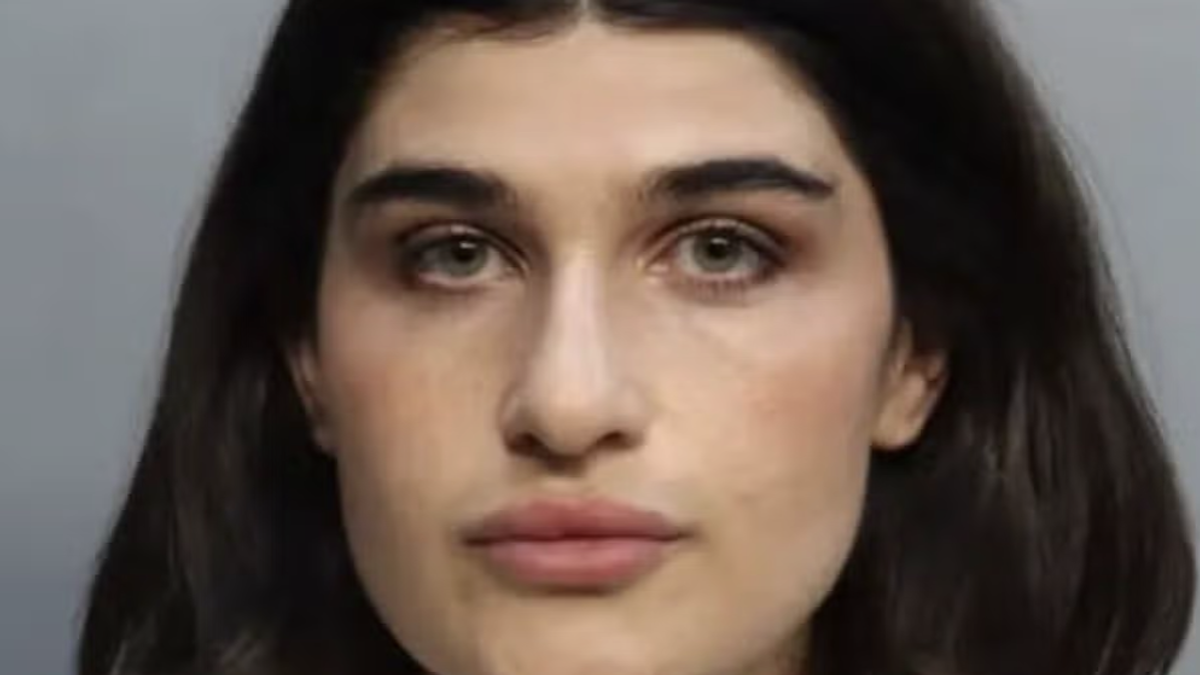
A Florida woman interning at a mental health and addiction center was fired and now faces a possible five years in prison after allegedly having a sexual relationship with a patient. According to arrest documents obtained by NBC Miami, Michelle Luchau-Rebora, 32, allegedly fabricated excuses for the patient to leave the center to allow them to have sex at her mother’s house and, rather disturbingly, at a local hospital. The intern made up excuses for the patient to leave the facility to have sex with him As explained in the documents, Luchau-Rebora "facilitated alibis on his behalf, which allowed him authorization to leave the restricted facility and engage in sexual intercourse on multiple occasions." Luchau-Rebora now faces up to five years in prison. Credit: Miami-Dade County The intern eventually fessed up about her relationship to her bosses after the 42-year-old male patient reported her after she ended their three-month fling. Luchau-Rebora must have been furious as, according to court documents, the intern "demanded that he not tell anyone about their relationship because it will affect her ability to work as a therapist." The relationship began last June and reportedly ended in the fall after the pair met at the New Hope C.O.R.P.S. addiction treatment center in Homestead. Although it is unclear how much time the pair spent together, it is alleged that the former couple had sex during unsupervised therapy sessions. The Florida treatment center. Credit: Google Maps The intern could face five years in prison for a sexual relationship Over a year later, Luchau-Rebora appeared in court on Wednesday, September 2, wearing a green anti-suicide smock. The young woman was hit with a charge of sexual misconduct by a psychotherapist, a third-degree felony that could result in a five-year prison sentence. The former intern posted a $5,000 bond after she was charged on Wednesday and was released pending trial. Stephen Alvarez, the New Hope C.O.R.P.S. executive director, told WPLG: "Upon becoming aware of the allegations, New Hope promptly reported the matter to the appropriate authorities and agencies, terminated the individual’s internship, and fully cooperated with the subsequent investigation." Speaking to reporters hassling her outside the courthouse, Luchau-Rebora said: "I’m not going to comment on anything. You can ask my lawyer," before telling them to leave her alone. She added: "This is kinda weird. "I really don’t wanna add anything right now." Featured image credit: Miami-Dade County

Sep 04, 2026
Sandra Bullock's Daughter Laila Gives Brutal Dating Advice After Loss

Sandra Bullock's Daughter Laila Gives Brutal Dating Advice After Loss

Sandra Bullock often hears unfiltered hard truths from her children. “Laila is brutal. I was getting on a Zoom, and she walks by, and she went, ‘You know, you can put a filter on that,’” Bullock, 62, recalled on the Thursday, September 3, episode of the “Not Gonna Lie” podcast, referring to her 12-year-old daughter. “She goes, ‘You know, you can make yourself look better.’ She just types and she slides, and she goes, ‘Put it right there.’ It was like literally someone had taken Vaseline and smeared on the lens and put a sheet in front of my face … and it's the honesty I appreciate.” Bullock, who is also mom to 16-year-old son Louis, further noted that Laila has also encouraged her to put herself back out there on the dating market. “She said I needed to date, but only someone where they can get stuff,” the Practical Magic 2 actress quipped. “So, I said, ‘What, a rapper or basketball player? That’s the parameters?’ She said yeah.” Regardless of Laila’s brutal honesty, Bullock is grateful to see her daughter “taking care of Mom.” Bullock was last in a relationship with photographer Bryan Randall from 2015 until his death at age 57 in 2023 following a private three-year battle with ALS. “He asked me not to share. I know why he asked me not to,” Bullock said on the “SmartLess” podcast last month, recalling Randall’s diagnosis. “I think where we were in his journey, both physically and mentally, I started grieving Bryan four years before he passed. There was something that had shifted.” At the time, Bullock acknowledged that she only “dealt with” her loss until after his death. “You’re just on this treadmill,” she said of grieving the death. Bullock further noted that Louis and Laila were “very astute” and could sense what happened. “They not only see the physical change, there’s a behavior that changes in all of us,” she said. “When I would bring things up to them, it was when they asked and when I could see them see it and ask them what it is that they want to do in this situation. ‘How do you want to handle what you just saw or where you are here?’ Louis handled it very different than Laila.” She continued, “About two years before Bryan passed, he saw it was a dynamic that wasn’t healthy for him to be around. So, he’s very evolved, he’s like, ‘You know what, I’m here for you’ … but he chose to just sort of be there and support and help me on the things that were easy [for him]. But he smartly disengaged himself and said, ‘This is a safer space for me to sit,’ and I said, ‘Absolutely, you go. I got this.’” Prior to her relationship with Randall, Bullock was married to West Coast Choppers founder Jesse James from 2005 to 2010. They divorced after his infamous cheating scandal.

Sep 04, 2026
Christian Group's Ejection from Burning Man Sparks Major Controversy

Christian Group's Ejection from Burning Man Sparks Major Controversy

Burning Man festival is under way in Black Rock, Nevada, and while the 10-day festival’s theme promotes human connection, some humans — Christians, in fact — have clearly not been welcomed.John Hinerman and his Christian group Shift the Atmosphere headed to the festival to spread the word of Jesus, though he posted in an Instagram video on Wednesday that his group had been asked to leave.“Burning Man is discriminating us and breaking their own rules of being ‘radically inclusive’ and KICKING us out for being Christians?!” Hinerman said in the caption of his post.John Hinerman and his Christian group Shift the Atmosphere headed to the festival to spread the word of Jesus but his group was asked to leave. Instagram/@johnhinermanofficialBurning Man festival is under way in Black Rock, Nevada, and while the 10-day festival’s theme promotes human connection, some humans – Christians, in fact – have clearly not been welcomed. USA TODAY Network via Reuters ConnectHe added in the video, “We have been asked to leave Burning Man. We’re packing up. They’re kicking us out. Satan’s mad. We have over 600 people who have given their lives to Jesus already, and Satan can’t do anything about it.”Hinerman added that he, “has a feeling God is about to move and do something huge,” and that they only gave the group three hours to pack up their camp, which took a whole week to set up.He added that the festival claimed their ejection was due to his group filming people without their consent, but he claimed those were “lies” made up by the festival.“What’s crazy to me is there’s young kids – which is wicked and sad that parents would bring their kids to these – but grown men will have their penises out and women are walking around naked without consent,” he said.“These children didn’t give you consent to be walking around with your penises out in front of all these kids. It’s so wicked and sad.”He concluded that post by stating, “Burning Man knows they’re wrong. God will have the last say.”He concluded that post by stating, “Burning Man knows they’re wrong. God will have the last say.” Instagram/@johnhinermanofficialBurning Man spokesperson Dominique Debucquoy-Dodley responded to Hinerman’s claims (via SF Gate), stating, “Burning Man takes participants’ right to privacy seriously.”“Seeking permission and consent before filming or engaging other participants in Black Rock City is a requirement and responsibility for anyone at the event. This camp received multiple warnings and opportunities to correct their behavior, yet continued to violate our policies and were therefore evicted,” he added.The complaints stemmed from Hinerman’s group filming people while encouraging them to “take a blessing,” which violated Burning Man’s rules.Hinerman shared another video on Instagram Wednesday, showing some encounters with friendly “burners” who helped them clean up their camp when they were asked to leave.“Many other BURNERS are coming and JOINING us helping us clean up everything up because even THEY are against the Burning Man for kicking us out for sharing our Faith…” the post began.Christian missionaries with the group Shift the Atmosphere were booted from Burning Man in Nevada’s Black Rock Desert after organizers accused them of repeatedly violating festival rules, including filming attendees without consent. TikTok/@Joshua.McCormick“WE LOVE the BURNERS. We had such beautiful time spending with the people here. Burning Man is WRONG for kicking us Out and the devil is MAD over 800 people gave their lives to Jesus and became a LIVING temple of the Holy Spirit. One of their #1 Rules, is “Radical Inclusion”. I guess it’s Radical inclusion for everyone EXCEPT Christians,” he concluded.Hinerman and Shift the Atmosphere appear to be moving on from the ordeal, with his latest post on Thursday revealing that they were continuing on their “mission to save souls” to Reno, Nevada.Download The California Post App, follow us on social, and subscribe to our newsletters California Post News: Facebook, Instagram, TikTok, X, YouTube, WhatsApp, LinkedInCalifornia Post Sports Facebook, Instagram, TikTok, YouTube, XCalifornia Post Opinion California Post Newsletters: Sign up here!California Post App: Download here!Home delivery: Sign up here!Page Six Hollywood: Sign up here!

Sep 04, 2026
Nick Hogan Opens Up About Rebuilding Family Ties After Hulk Hogan's Death

Nick Hogan Opens Up About Rebuilding Family Ties After Hulk Hogan's Death

Nick Hogan is shedding light on his current relationship with older sister Brooke Hogan following the death of their late father, Hulk Hogan. “I’m so proud of Brooke. I’m so excited for everything she has got going on,” Nick, 36, told TV Insider in an interview published on Friday, August 28. “She’s just a phenomenal interior decorator. She has got this business that she started and she just did a new TV show, Rock the Block, and she was fantastic on that.” Brooke, 38, previously revealed that she was estranged from Hulk in the years prior to his death at age 71 in July 2025. (Documents obtained by Us confirmed that Hulk died of acute myocardial infarction, commonly known as a heart attack, with leukemia CLL, a type of cancer that affects white blood cells, as an underlying contributor.) In the days after Hulk’s death, Brooke’s husband, former NHL player Steve Oleksy, exclusively told Us that she asked to be written out of her dad’s will. “I believe my wife upheld her Dad’s best interests even after his death, mustering up all the courage and kindness she could despite still being very hurt,” Oleksy, 40, said. “That money does not represent accomplishments in the ring — the majority of it came at the expense of my wife’s dignity. It was built on hurtful comments about her and her past relationship, which caused pain not only to her, but to many other families.” Brooke spoke out about her falling out with Hulk in April, revealing exclusively to Us that she felt “powerless” to reach out to him in the last “two years” of his life. “He said, ‘You go this way, I go that way,’” Brooke recalled. “That hurt. I think that’s what makes me the most annoying member of my family. They know that I will just beat you up until you do the right thing. I could see what was happening with him with the people around him. I could also see his potential and see how life could be. And he just wasn’t there.” At the time, Brooke suggested that her relationship with younger brother Nick was impacted by her estrangement from their father. “The saddest thing about broken families is the siblings,” Brooke told Us in April. “The siblings suffer the most because you’re always forced to take a side. Nick and I, even though we had the same parents, we had two very different upbringings and two very different experiences. That is one thing my parents always said: ‘You guys are siblings, you always have to have each other’s back.’ No matter what trouble my brother gets into, no matter what he does or who he is, that’s my brother.” She added, “Even if we don’t talk — because I haven’t felt supported by him in times where I really needed to feel that, sometimes I feel like he saw the same things I did and wouldn’t be a united front, that’s the thing that hurts me the most — but my brother is a very kind person. He’s very smart. He loves animals. There’s just so many great things about him and so many things that I love.” Nick offered a much rosier outlook on his current relationship with Brooke in Friday’s interview. “This is just a really exciting time for her. She had twins. She got married,” Nick said. “We’re just really excited for everything that’s going on for her. I’m so proud of her and, you know, everybody’s doing really well. My mom [Linda Hogan] is doing great right now. My entire family has been so supportive of everything that we’re doing. So, we’re in a really good place.” The late Hulk and Linda were married for 26 years before finalizing their divorce in 2009. Hulk was married to Jennifer McDaniel from 2010 to 2021 and later to Sky Daily from 2023 until his death in July 2025.

Sep 04, 2026
Nick Hogan Opens Up About Family Dynamics After Hulk Hogan's Passing

Nick Hogan Opens Up About Family Dynamics After Hulk Hogan's Passing

Nick Hogan is shedding light on his current relationship with older sister Brooke Hogan following the death of their late father, Hulk Hogan. “I’m so proud of Brooke. I’m so excited for everything she has got going on,” Nick, 36, told TV Insider in an interview published on Friday, August 28. “She’s just a phenomenal interior decorator. She has got this business that she started and she just did a new TV show, Rock the Block, and she was fantastic on that.” Brooke, 38, previously revealed that she was estranged from Hulk in the years prior to his death at age 71 in July 2025. (Documents obtained by Us confirmed that Hulk died of acute myocardial infarction, commonly known as a heart attack, with leukemia CLL, a type of cancer that affects white blood cells, as an underlying contributor.) In the days after Hulk’s death, Brooke’s husband, former NHL player Steve Oleksy, exclusively told Us that she asked to be written out of her dad’s will. “I believe my wife upheld her Dad’s best interests even after his death, mustering up all the courage and kindness she could despite still being very hurt,” Oleksy, 40, said. “That money does not represent accomplishments in the ring — the majority of it came at the expense of my wife’s dignity. It was built on hurtful comments about her and her past relationship, which caused pain not only to her, but to many other families.” Brooke spoke out about her falling out with Hulk in April, revealing exclusively to Us that she felt “powerless” to reach out to him in the last “two years” of his life. “He said, ‘You go this way, I go that way,’” Brooke recalled. “That hurt. I think that’s what makes me the most annoying member of my family. They know that I will just beat you up until you do the right thing. I could see what was happening with him with the people around him. I could also see his potential and see how life could be. And he just wasn’t there.” At the time, Brooke suggested that her relationship with younger brother Nick was impacted by her estrangement from their father. “The saddest thing about broken families is the siblings,” Brooke told Us in April. “The siblings suffer the most because you’re always forced to take a side. Nick and I, even though we had the same parents, we had two very different upbringings and two very different experiences. That is one thing my parents always said: ‘You guys are siblings, you always have to have each other’s back.’ No matter what trouble my brother gets into, no matter what he does or who he is, that’s my brother.” She added, “Even if we don’t talk — because I haven’t felt supported by him in times where I really needed to feel that, sometimes I feel like he saw the same things I did and wouldn’t be a united front, that’s the thing that hurts me the most — but my brother is a very kind person. He’s very smart. He loves animals. There’s just so many great things about him and so many things that I love.” Nick offered a much rosier outlook on his current relationship with Brooke in Friday’s interview. “This is just a really exciting time for her. She had twins. She got married,” Nick said. “We’re just really excited for everything that’s going on for her. I’m so proud of her and, you know, everybody’s doing really well. My mom [Linda Hogan] is doing great right now. My entire family has been so supportive of everything that we’re doing. So, we’re in a really good place.” The late Hulk and Linda were married for 26 years before finalizing their divorce in 2009. Hulk was married to Jennifer McDaniel from 2010 to 2021 and later to Sky Daily from 2023 until his death in July 2025.

Sep 04, 2026
Billionaire Frank Binder's $35M Mansion Sale Sparks Yacht Speculation

Billionaire Frank Binder's $35M Mansion Sale Sparks Yacht Speculation

He’s looking to “seas” the day.Billionaire pharmaceutical heir Frank Binder is lifting the anchor on his dazzling Lenny Kravitz-designed Hollywood Hills mansion as he prepares to build the world’s largest yacht.Binder listed the cliffside estate for $35 million late last week, a 10,700-square-foot combination of rock-and-roll swagger, and unparalleled views extending from Los Angeles to the Pacific Ocean.Frank Binder. Getty Images for Aline EventsThe mansion looks out to wide city views — and glows in the nighttime hours. Simon BerlynLenny Kravitz lent his hand to the home’s design. Simon BerlynSimultaneously, Binder is launching construction of his Nimitz-sized “residential yacht,” a more than $2 billion project that will offer ocean adventures and permanent digs to the ultra-wealthy.Back in LA, the home comes with plenty of Kravitz flavor.The four-consecutive Grammy winner, not surprisingly crafted a killer sound system and installed a 12-foot-long digital video wall and a floor-to-ceiling TV.Binder reportedly spent $2 million for retractable doors throughout the mansion’s three levels that contain four bedrooms and seven bathrooms, all perched just above the storied Sunset Strip.The swanky spread lends itself to indoor-outdoor living. Simon BerlynThe rock-and-roll vibe extends throughout. Simon BerlynLiving areas feature deep crimsons, amber glow lines and smoky accent mirrors that reflect the neon lights of los Angeles.Getting into the home is half the adventure. Heavy bronze entry gates lead to the front door through a walkway bored through a massive wall of raw Hawaiian lava rock.A 12,000-pound granite boulder has a firepit as its center and a 15-foot-wide gas fireplace sits in the home’s upper living level. Twenty-one-foot-high ceilings frame retractable glass walls that open onto a cantilevered balcony overlooking Los Angeles. A 70-foot-wide half-moon infinity pool faces that way as well. In addition to its very high-end sound system, the home’s subterranean night club takes a “space themed retro” approach, while a climate-controlled wine cellar capable of 1,200 bottles is nearby.An unobtrusive air-conditioned five-car garage conceals autos by using a hydraulic lift, and there are additional spaces nearby. The primary suite showcases a stunning panoramic view of the city skyline. Simon BerlynEven the secondary bedrooms look out to grand vistas. Simon BerlynThe outdoor spaces delight in their style. Simon BerlynThis being LA, there’s a massive garage. Simon BerlynBinder, who holds the Hollywood Hills home through a shell company, paid $33 million for it in 2018. The mansion was offered at $38 million through a private listing.It’s not clear whether Binder will keep the adjacent 4.5-acre parcel at 1 Electra Ct. that he holds through a separate corporate vehicle. He won that property for $29.5 million at auction in 2018 as part of the dissolution of Woodbridge Group of Companies. The development company was implicated and liquidated on the heels of an alleged $1.2 billion Ponzi scheme that defrauded more than 8,400 people. The Electra Court home, which Binder tore down, was owned by Larry Ellison’s daughter Megan Ellison before that.By listing the main house for just $2 million more than he paid for it six years ago, Binder may be among the first to accept the deflated reality of selling a mega-mansion in the Los Angeles area. He is also looking at a $1.92 million haircut based on the 5.5% mansion tax that Los Angeles City levies on residential sales.“The owner is being realistic in this marketplace,” said Branden Williams of the Beverly Hills Estates, who has the listing with Mauricio Umansky of the Agency. The mansion comes equipped with wine storage. Simon BerlynThe resort-style pool. Simon BerlynUmansky and Kravitz are also part of the team for Binder’s residence-on-the-sea Ulyssia, with the former launching the craft’s marketing campaign on his “Buying Beverly Hills” Netflix show and the latter lending his design hand. The Ulyssia is expected to cost more than $2 billion to build and be 1,060 feet long — about the length of modern US Navy aircraft carrier. The ship will have 15 decks with 122 private residences and 22 guest suites. High-rolling residents will pay between $10 million and $90 million for rooms that will range in size from 1,184 square feet for a one-bedroom to 10,258 square feet for a six-bedroom penthouse. Outdoor terraces are included.A handsome dressing room. Simon BerlynA stone-heavy bath retreat. Simon BerlynThe exterior. Simon BerlynThe ship will sail under the Swiss flag year-round and provide access to helicopters, two submarines, a school for residents’ children, a hospital and a dental facility.Binder has told boating publications he already has more than $1 billion in commitments. He will be aboard as owner of the ship’s largest unit, a 10,700-square-foot top deck penthouse.Binder expects to begin calling “Ahoy,” to those mateys in 2031.Most landlubbers will have to stay behind, though. “We will, of course, select [the residents] and it’ll be the most exclusive club in the world,” he told Forbes.

Sep 04, 2026
Peter Weber and Jadeyn's Exciting Twin Baby News Sparks Buzz

Peter Weber and Jadeyn's Exciting Twin Baby News Sparks Buzz

Peter Weber and his new girlfriend, Jadeyn Carr, are going to be parents — and they have twins on the way. "1 + 1 = 4 ♥️," the couple captioned a joint Instagram post on Thursday, September 3, alongside photos of the pair celebrating their growing family. One of the snapshots showed Peter, 35, sweetly kissing Jadeyn's bare baby bump. Peter's brother, Jack Weber, replied in the comments section, "Wohoo! Can’t wait to meet them!!" https://www.instagram.com/p/Dc102JDILNc/?igsi=MzRlODBiNWFlZA%3D%3D Peter and Jadeyn have been dating for less than a year after meeting online. The former Bachelor confirmed his romance with Jadeyn on August 13, including the model in an Instagram carousel succinctly captioned, “Summer ‘26.” In the pictures, Jadeyn appeared to join Peter and his family on a trip to the Adirondacks in upstate New York. Less than one week later, Peter shared more loved-up photos featuring Jadeyn. “Favorites,” Peter wrote via Instagram on August 19 alongside images of Jadeyn joining him in a plane’s cockpit before cuddling up on a beach vacation. Peter’s mother, Barbara Weber, also shared her approval of the new couple. “SO HAPPY YOU BROUGHT HER HOME!!❤️,” Barbara wrote via Instagram alongside a pic of the pilot and Jadeyn. Peter replied, “So this is what you meant all along… ✅❤️.” According to Barbara, her son knew “exactly” what she meant. “I’m so happy for you two!” the proud grandma-to-be gushed in response. “She fits into all of our hearts❤️.” Peter served as the Bachelor for 2020’s season 24, where he introduced finalists Hannah Ann Sluss and Madi Prewett to his parents before the final rose ceremony. After Barbara met Hannah Ann, now 30, she tearfully pleaded with Peter not to “let her go” and to “bring her home.” Peter ultimately followed his mom’s advice, proposing to Hannah Ann, 30, during the finale. The pair, however, called it quits weeks later over Peter’s lingering feelings for Madi, now 30. Peter and Madi went their separate ways just days later. He later moved on with fellow Bachelor contestant Kelley Flanagan, former show producer Julie LaPlaca and actress Brook Sill before meeting Jadeyn. (Peter joined the Bachelor franchise in 2019 as a contestant on Hannah Brown's Bachelorette season.) Even before connecting with Jadeyn, Peter remained hopeful that he’d meet The One. “I was in New York for the last four years, and [Kelley] and I had gone back on-and-off a little bit during that time, but [the] majority of it was all single,” Peter said on a 2025 episode of the “Almost Famous” podcast. “I always wanted a relationship. It’s no secret, obviously, but you know, I was never going to be someone to force anything.” Peter relocated to his native California last year, where Jadeyn is pursuing a modeling career.

Sep 04, 2026
Bachelor Star Peter Weber and Girlfriend Jadeyn's Twin Pregnancy Surprise

Bachelor Star Peter Weber and Girlfriend Jadeyn's Twin Pregnancy Surprise

Peter Weber and his new girlfriend, Jadeyn Carr, are going to be parents — and they have twins on the way. "1 + 1 = 4 ♥️," the couple captioned a joint Instagram post on Thursday, September 3, alongside photos of the pair celebrating their growing family. One of the snapshots showed Peter, 35, sweetly kissing Jadeyn's bare baby bump. Peter's brother, Jack Weber, replied in the comments section, "Wohoo! Can’t wait to meet them!!" https://www.instagram.com/p/Dc102JDILNc/?igsi=MzRlODBiNWFlZA%3D%3D Peter and Jadeyn have been dating for less than a year after meeting online. The former Bachelor confirmed his romance with Jadeyn on August 13, including the model in an Instagram carousel succinctly captioned, “Summer ‘26.” In the pictures, Jadeyn appeared to join Peter and his family on a trip to the Adirondacks in upstate New York. Less than one week later, Peter shared more loved-up photos featuring Jadeyn. “Favorites,” Peter wrote via Instagram on August 19 alongside images of Jadeyn joining him in a plane’s cockpit before cuddling up on a beach vacation. Peter’s mother, Barbara Weber, also shared her approval of the new couple. “SO HAPPY YOU BROUGHT HER HOME!!❤️,” Barbara wrote via Instagram alongside a pic of the pilot and Jadeyn. Peter replied, “So this is what you meant all along… ✅❤️.” According to Barbara, her son knew “exactly” what she meant. “I’m so happy for you two!” the proud grandma-to-be gushed in response. “She fits into all of our hearts❤️.” Peter served as the Bachelor for 2020’s season 24, where he introduced finalists Hannah Ann Sluss and Madi Prewett to his parents before the final rose ceremony. After Barbara met Hannah Ann, now 30, she tearfully pleaded with Peter not to “let her go” and to “bring her home.” Peter ultimately followed his mom’s advice, proposing to Hannah Ann, 30, during the finale. The pair, however, called it quits weeks later over Peter’s lingering feelings for Madi, now 30. Peter and Madi went their separate ways just days later. He later moved on with fellow Bachelor contestant Kelley Flanagan, former show producer Julie LaPlaca and actress Brook Sill before meeting Jadeyn. (Peter joined the Bachelor franchise in 2019 as a contestant on Hannah Brown's Bachelorette season.) Even before connecting with Jadeyn, Peter remained hopeful that he’d meet The One. “I was in New York for the last four years, and [Kelley] and I had gone back on-and-off a little bit during that time, but [the] majority of it was all single,” Peter said on a 2025 episode of the “Almost Famous” podcast. “I always wanted a relationship. It’s no secret, obviously, but you know, I was never going to be someone to force anything.” Peter relocated to his native California last year, where Jadeyn is pursuing a modeling career.

Sep 04, 2026